
Our Projects
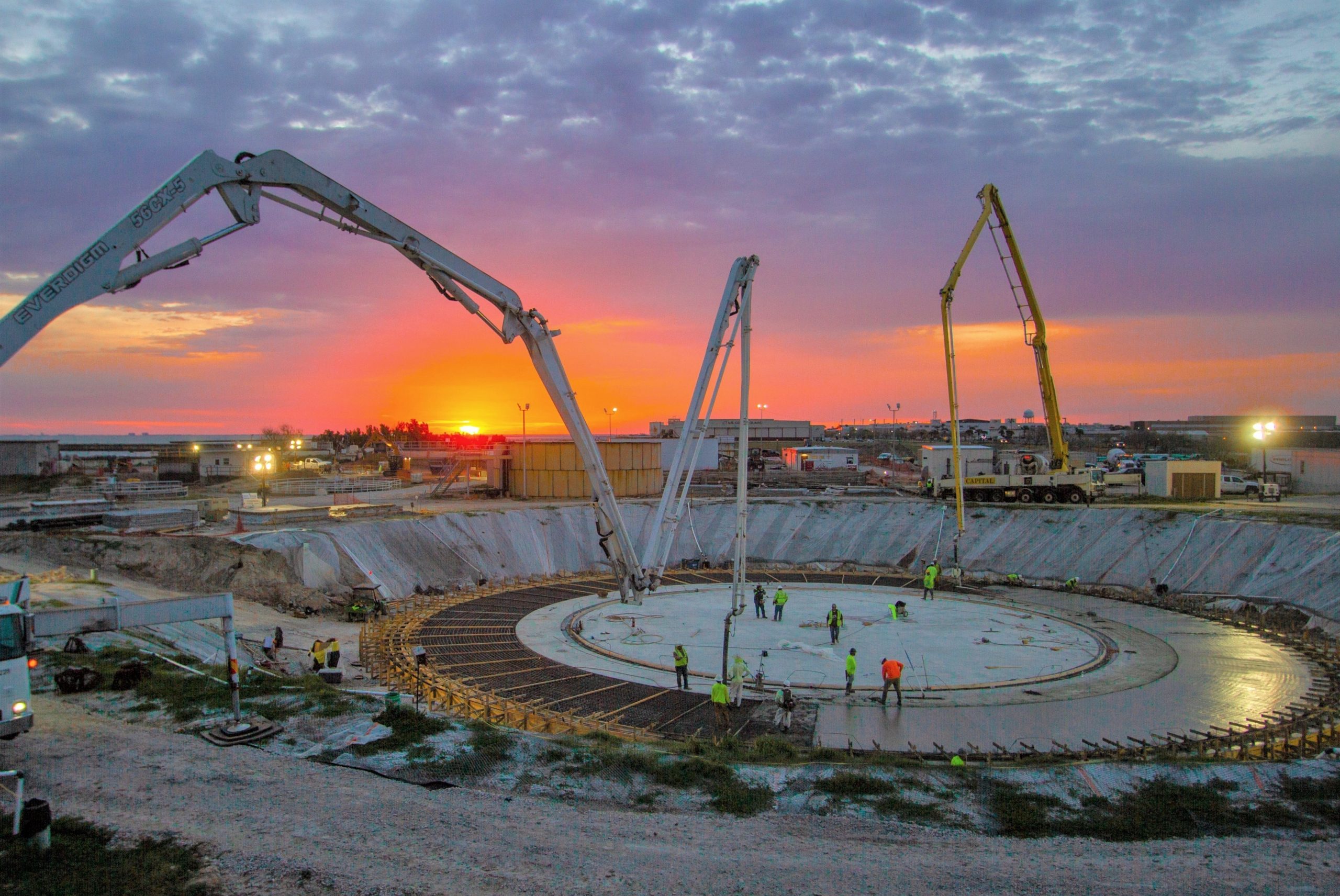
Corpus Christi Naval Air Station Wastewater Treatment Plant
Federal / Military, Water Treatment,
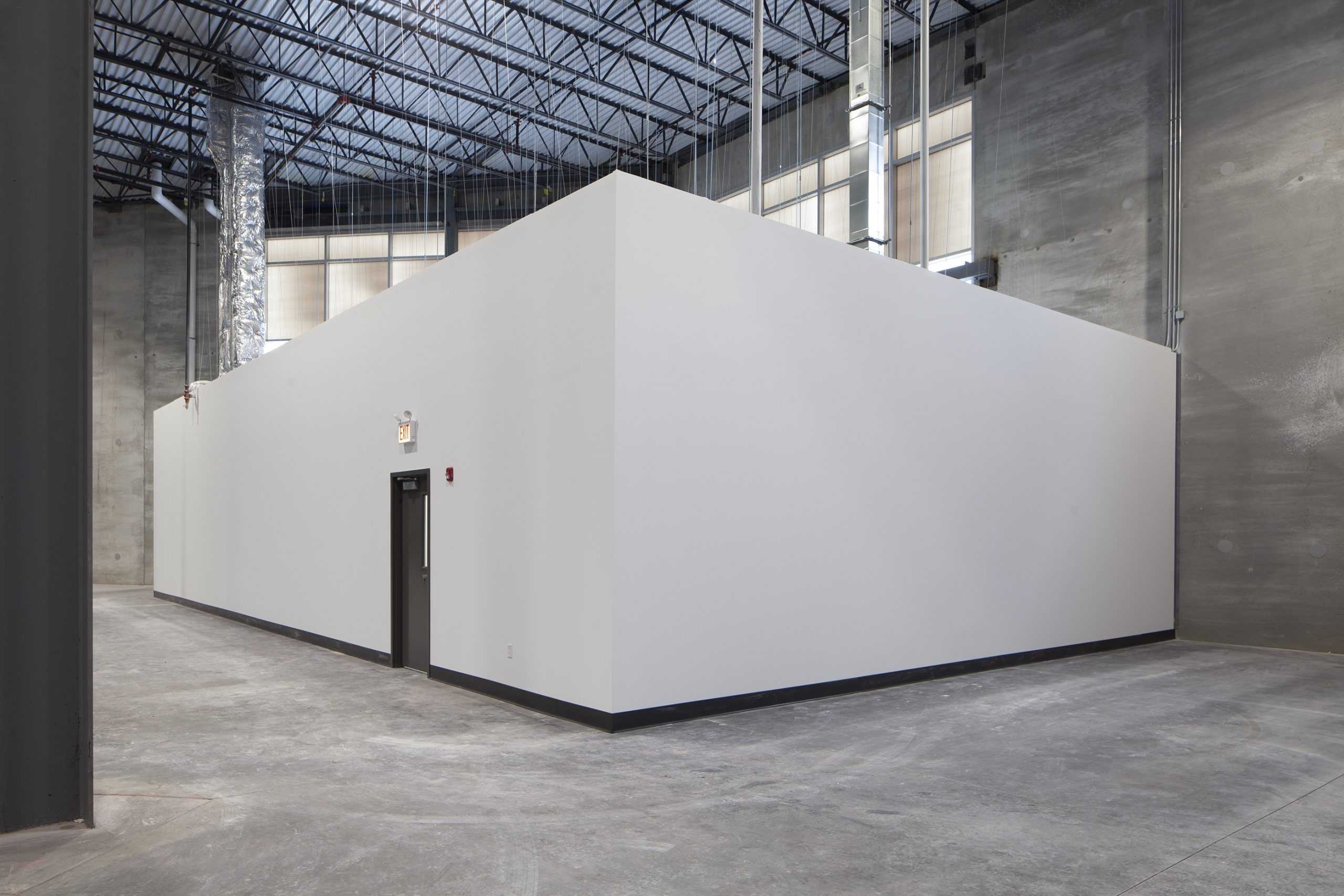
STAG Industrial – Vernon Hills, IL
Architectural,
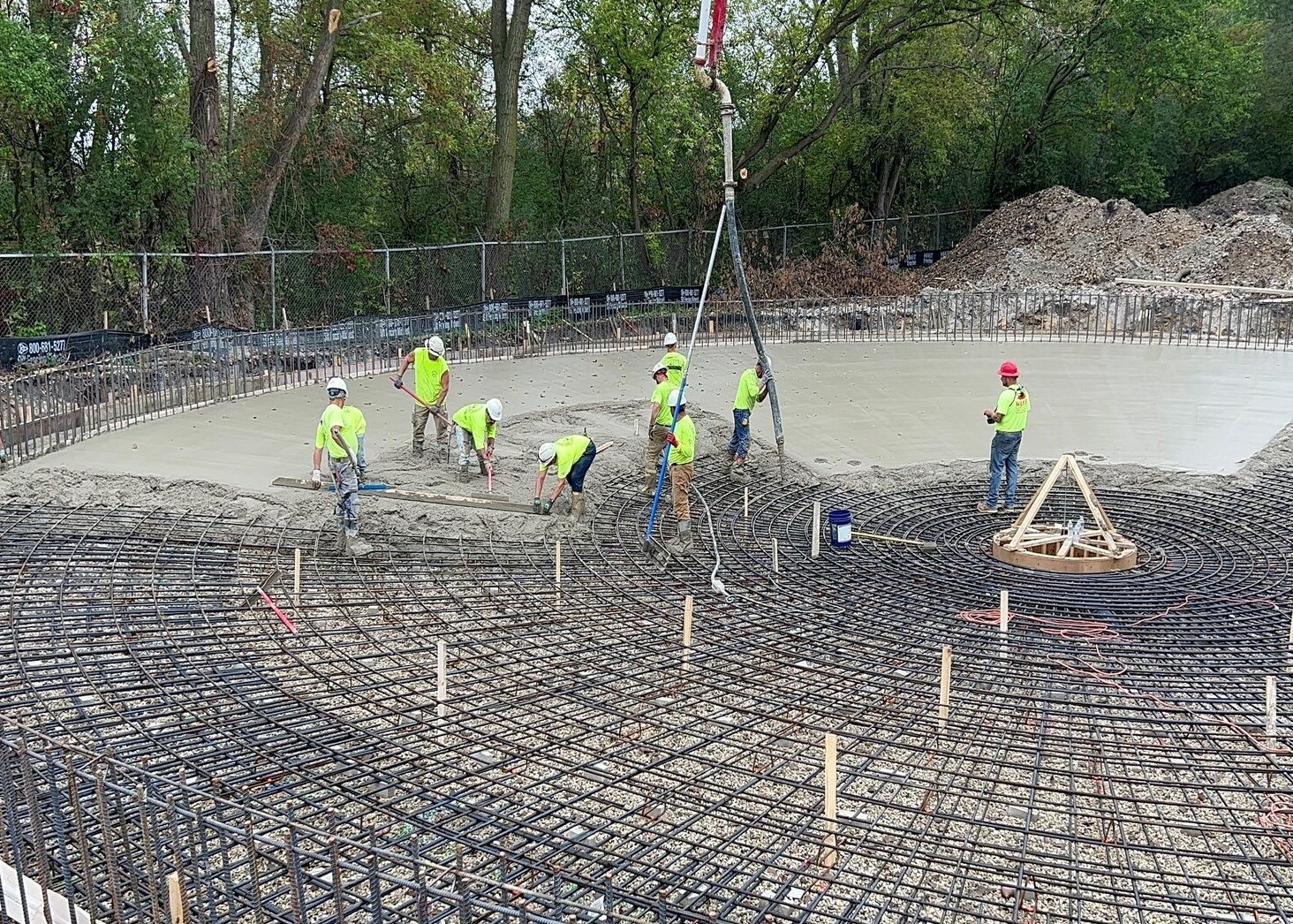
Twin Lakes 2021 Wastewater Upgrades
Water Treatment,
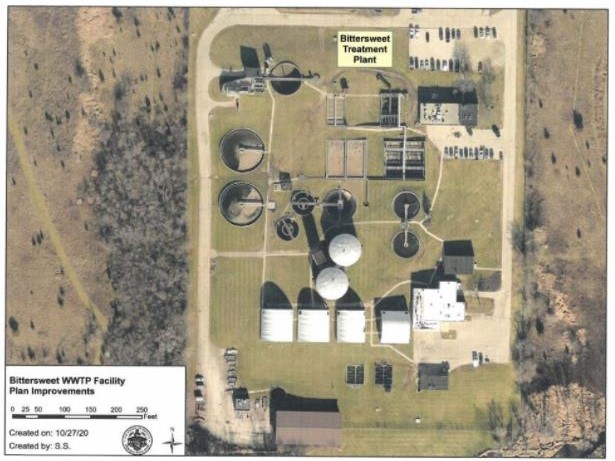
Bittersweet Wastewater Treatment Plant Improvements
Water Treatment,
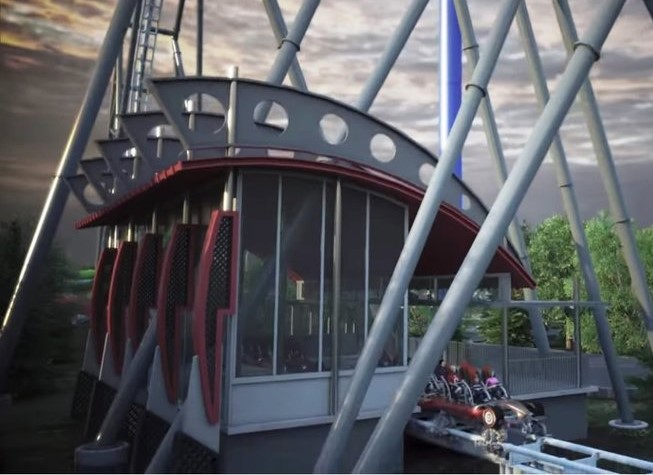
Maxx Force Roller Coaster Station and Queue Line
Architectural,
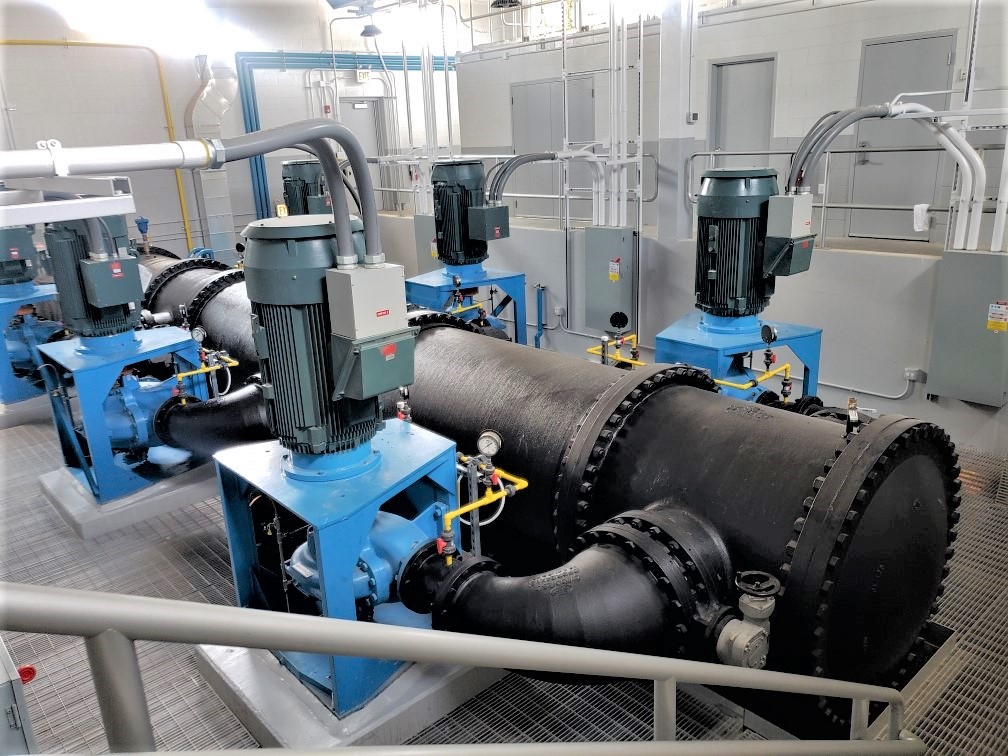
Bedford Park Central Avenue Pumping Station
Water Treatment,
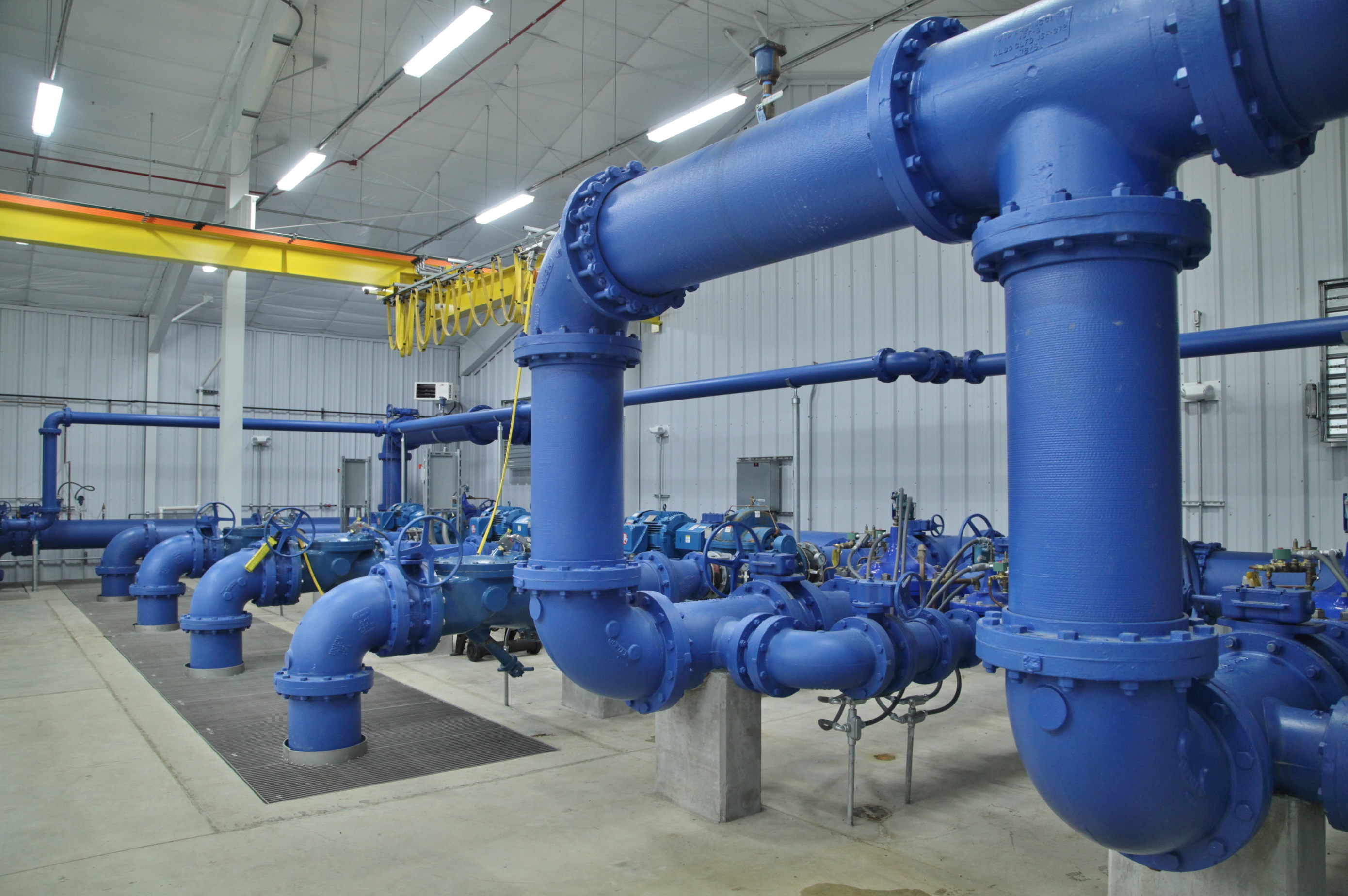
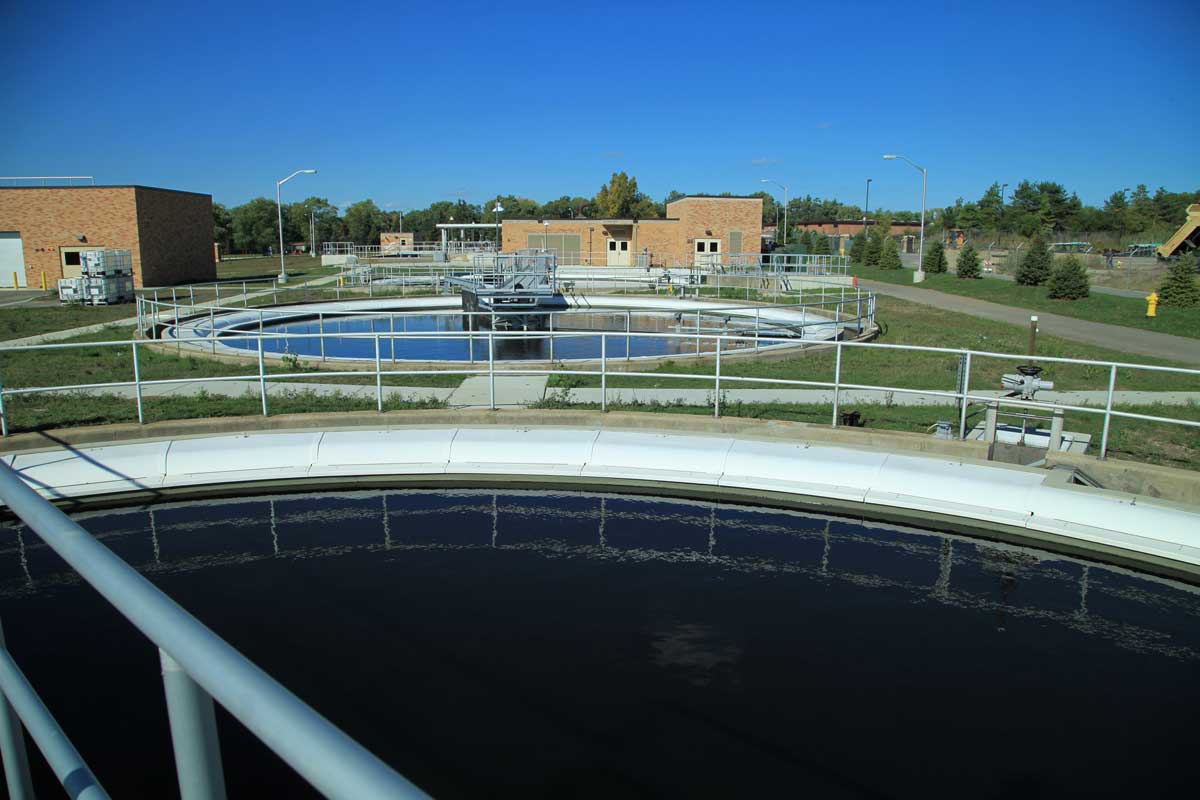
Deerfield Water Reclamation Facility Modifications
Water Treatment,
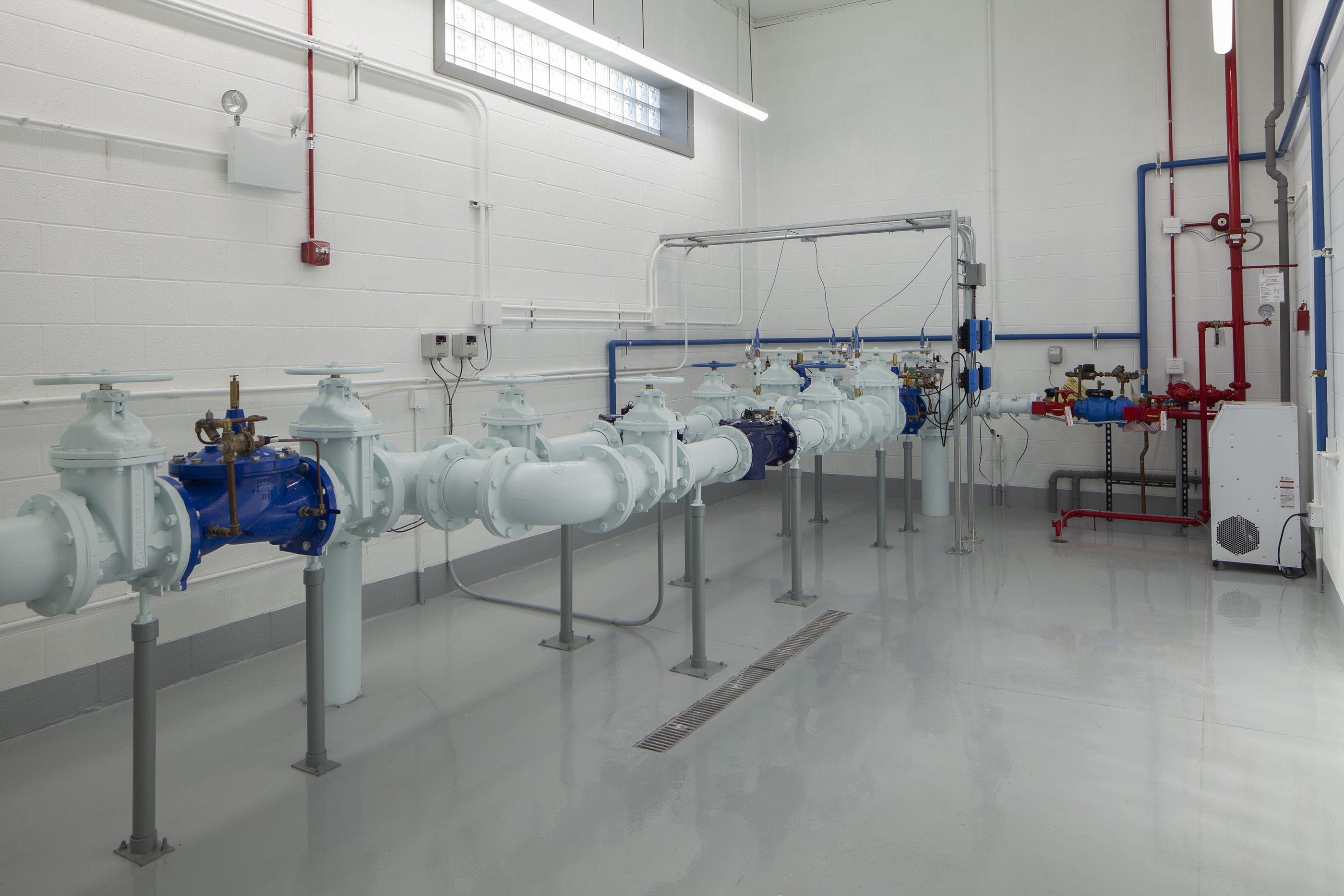
Central Pressure Adjusting Station Improvements
Water Treatment,
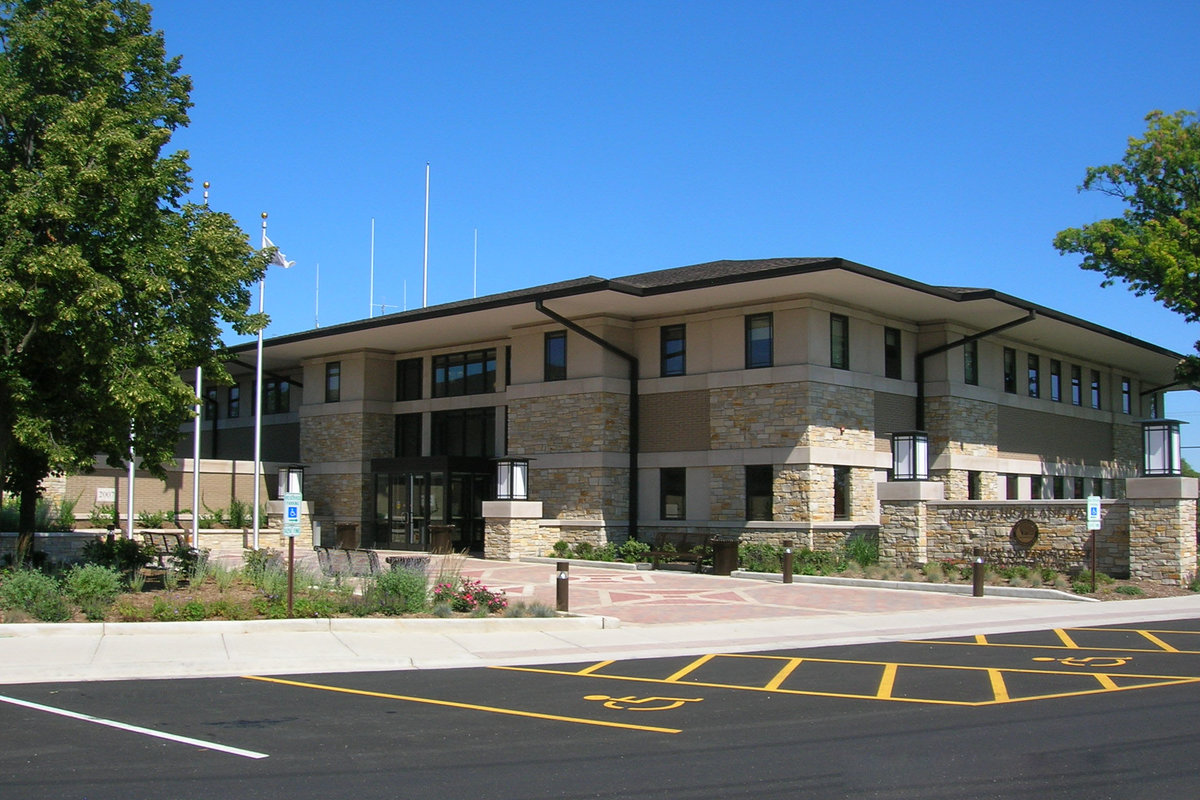
Highland Park Police Headquarters
Architectural,
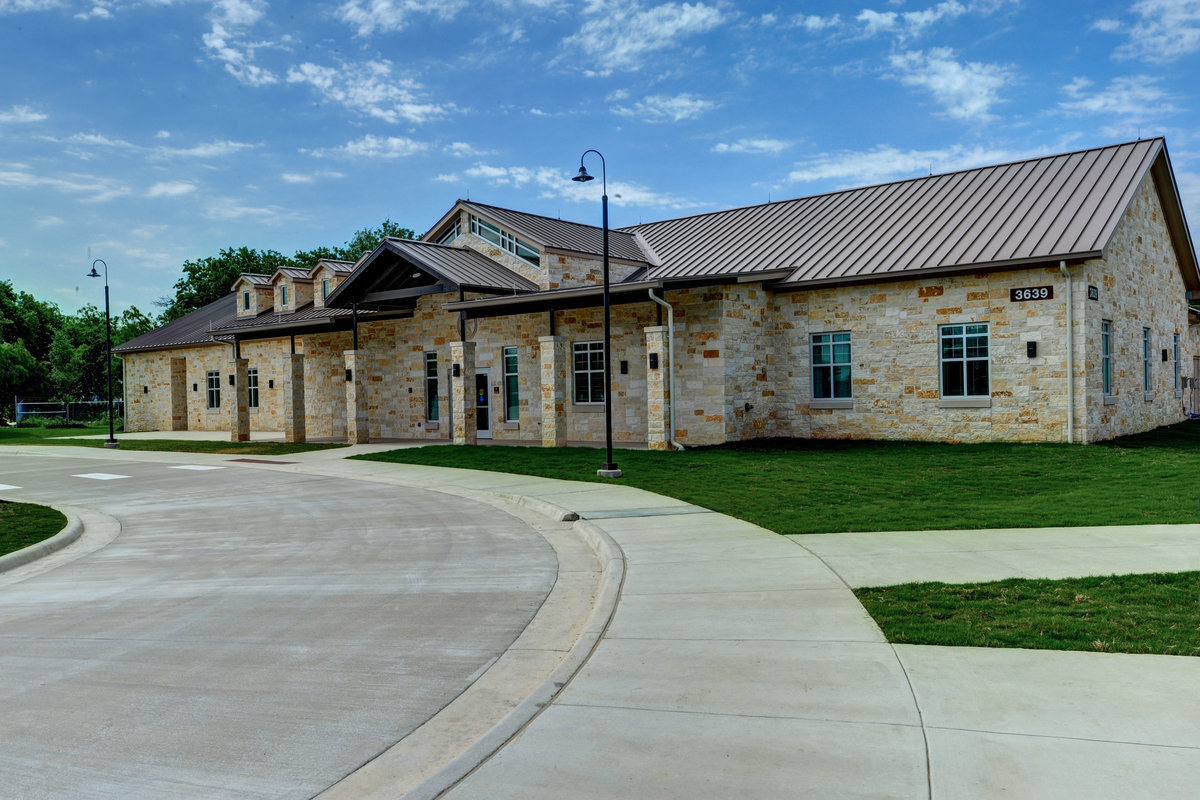
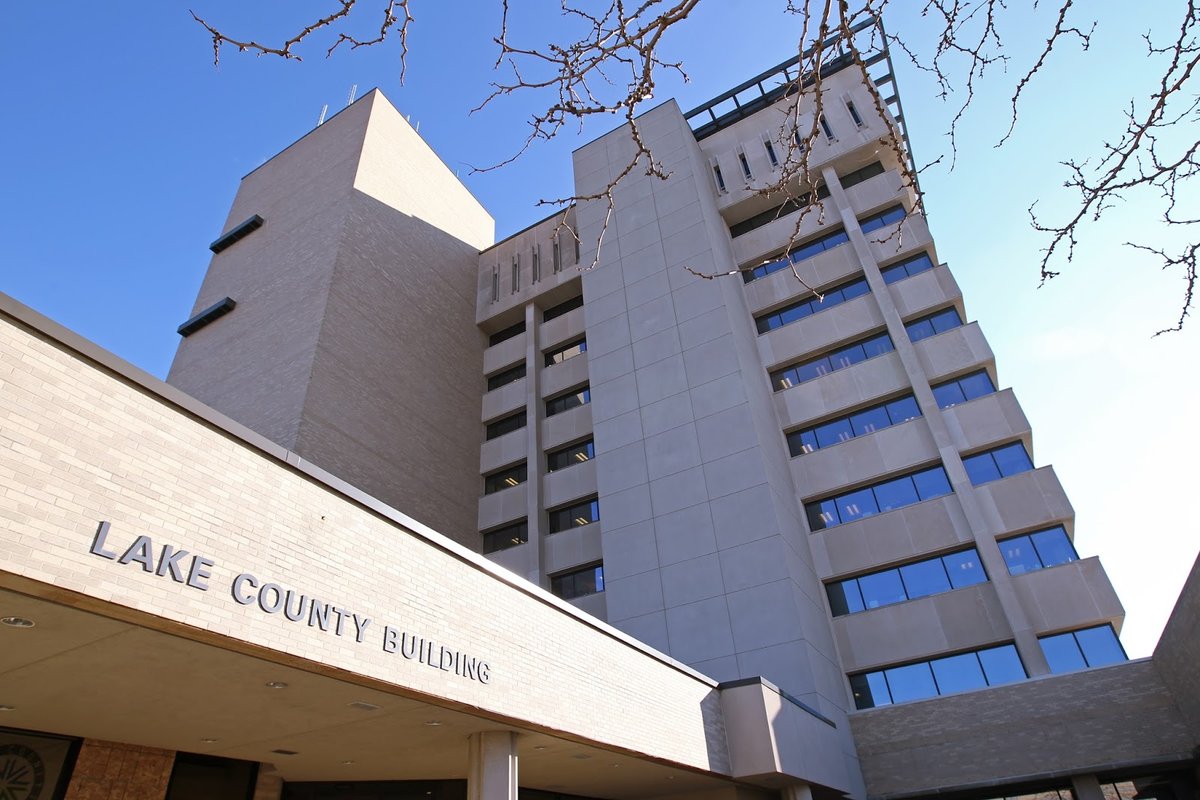
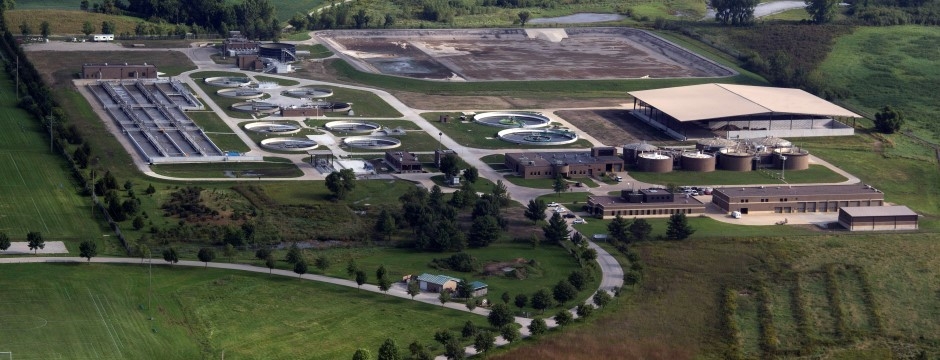
Iowa City Wastewater Treatment Facilities Consolidated Project
Water Treatment,
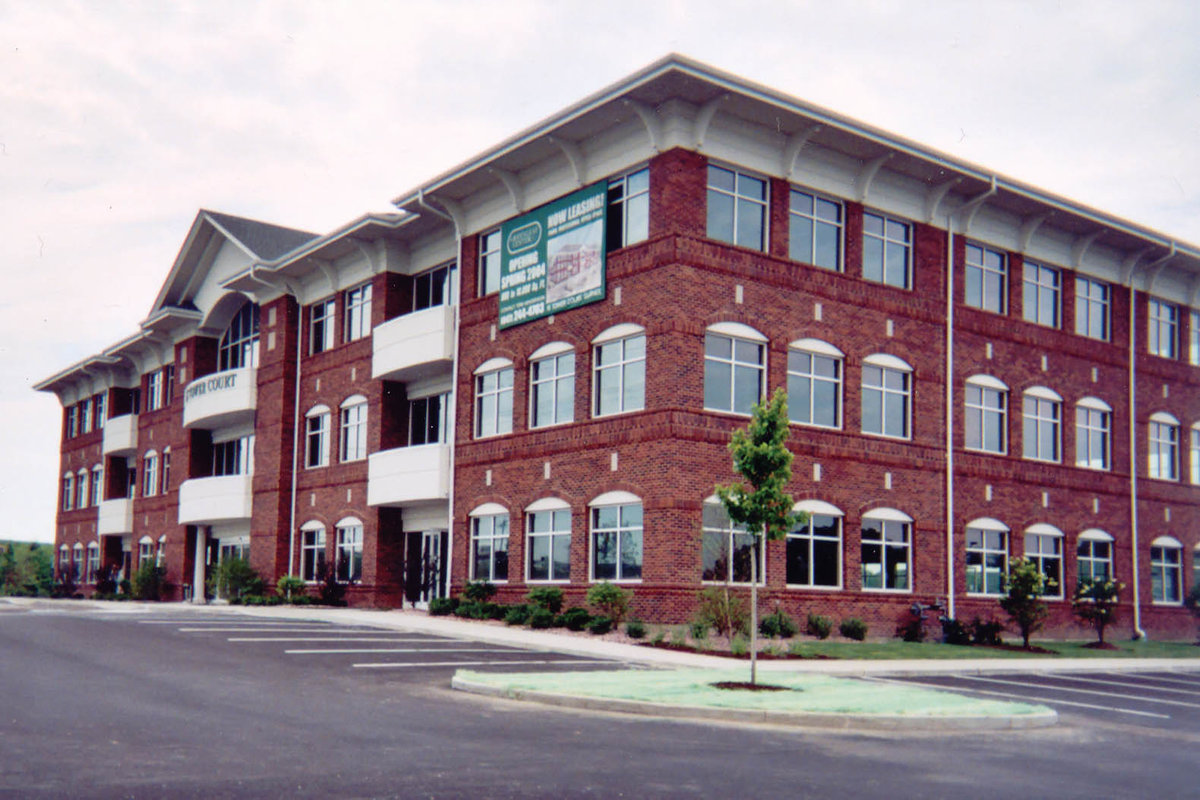
Greenleaf Professional Center
Health Care,
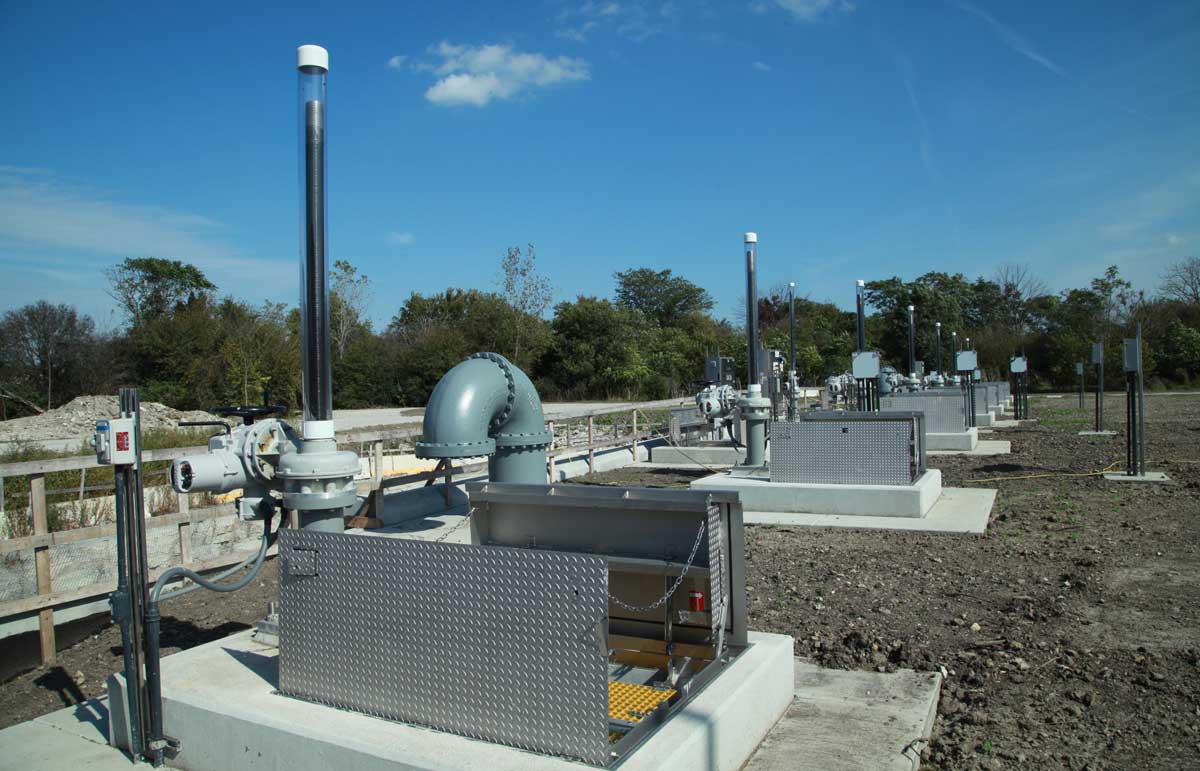
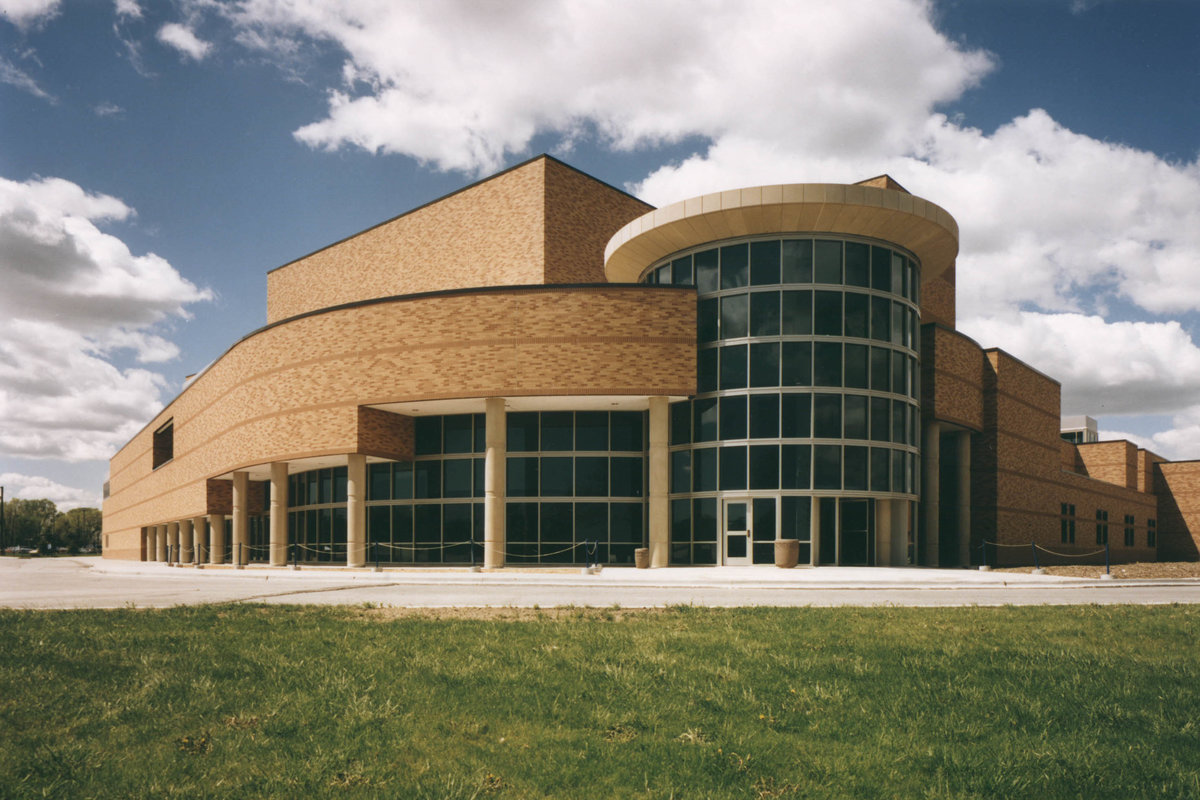
College of Lake County
Educational,
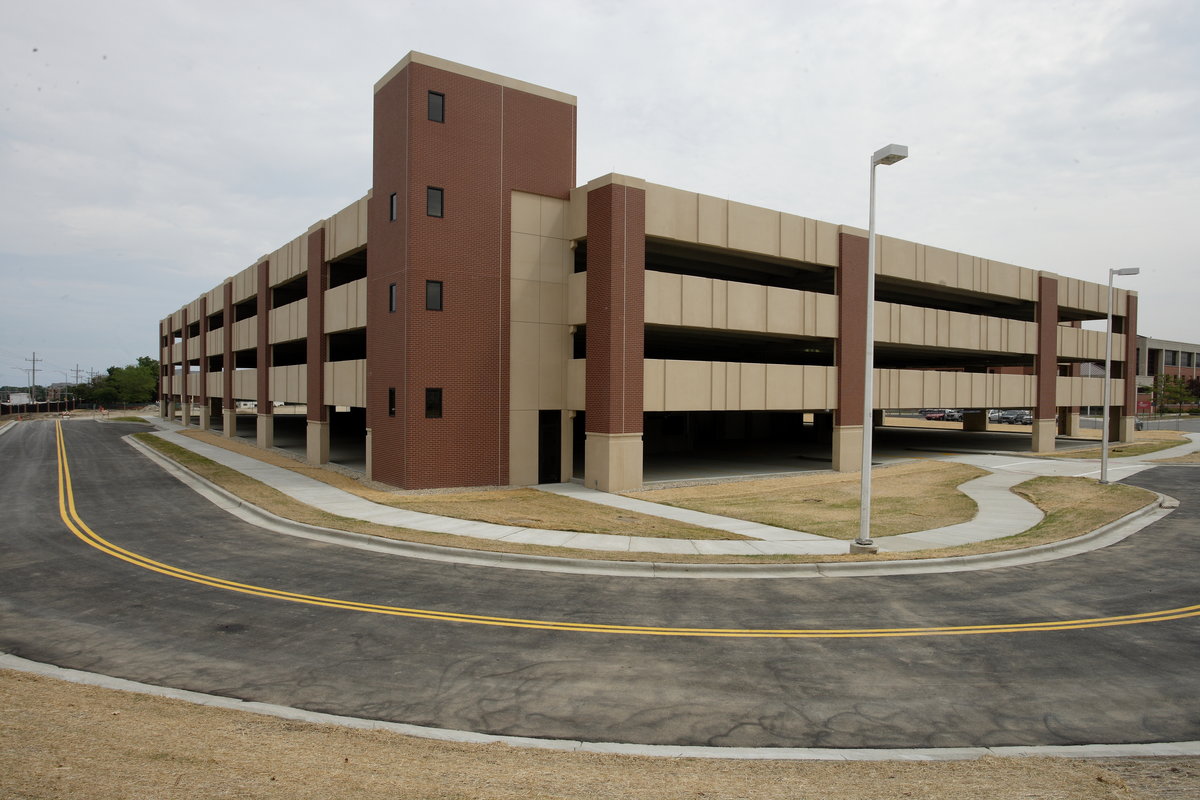
Capt. James A. Lovell Federal Health Care Center Parking and Infrastructure
Federal / Military,
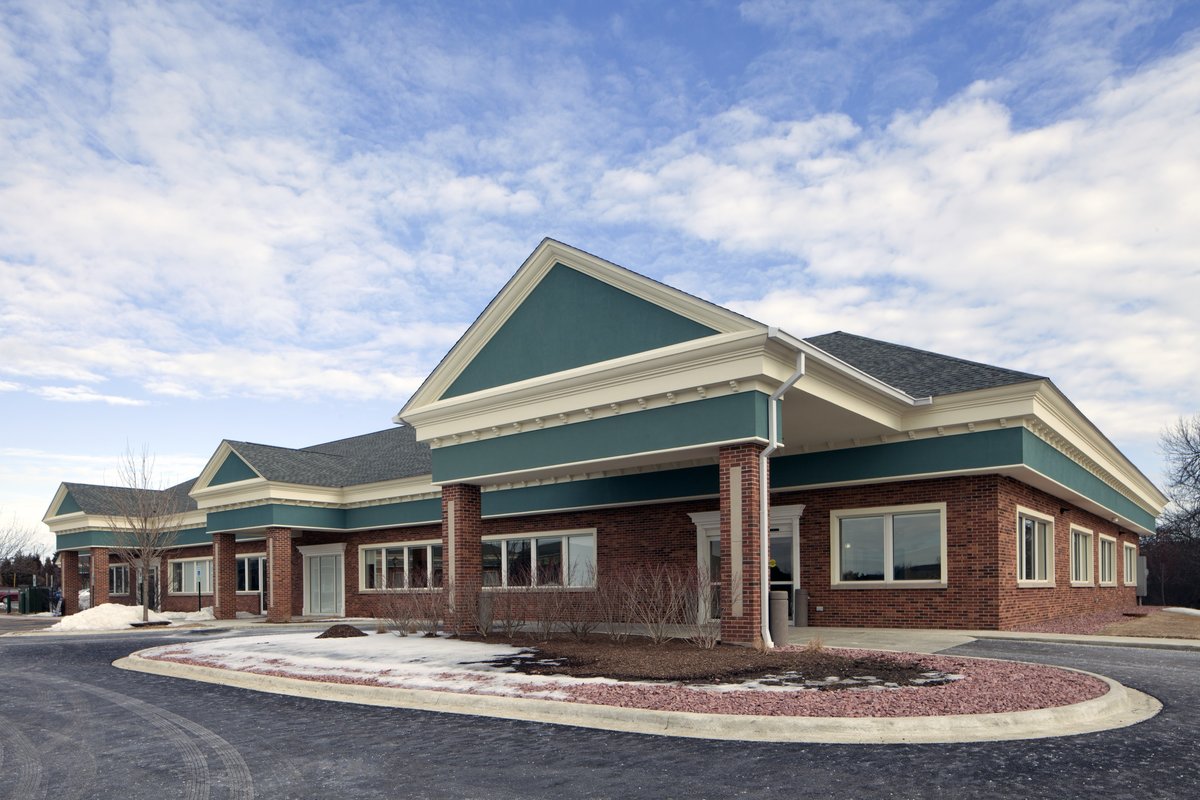
Fresenius Medical Care
Health Care,
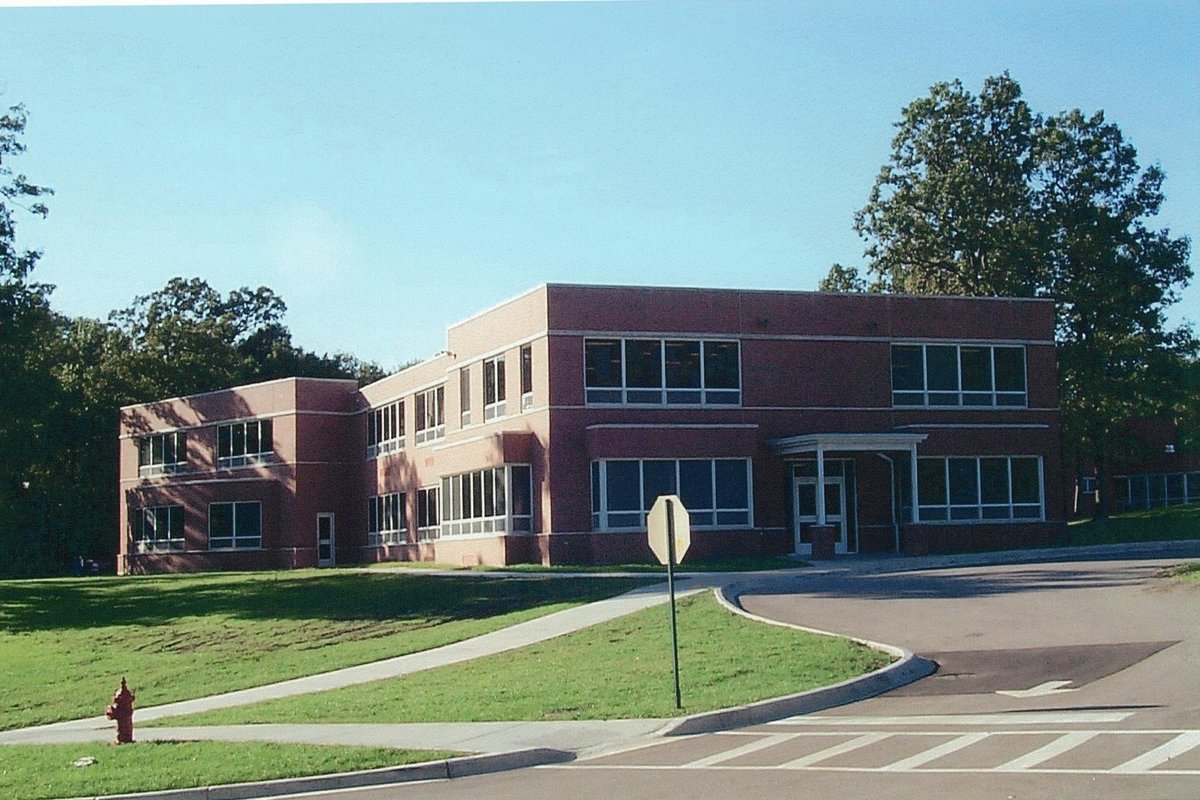
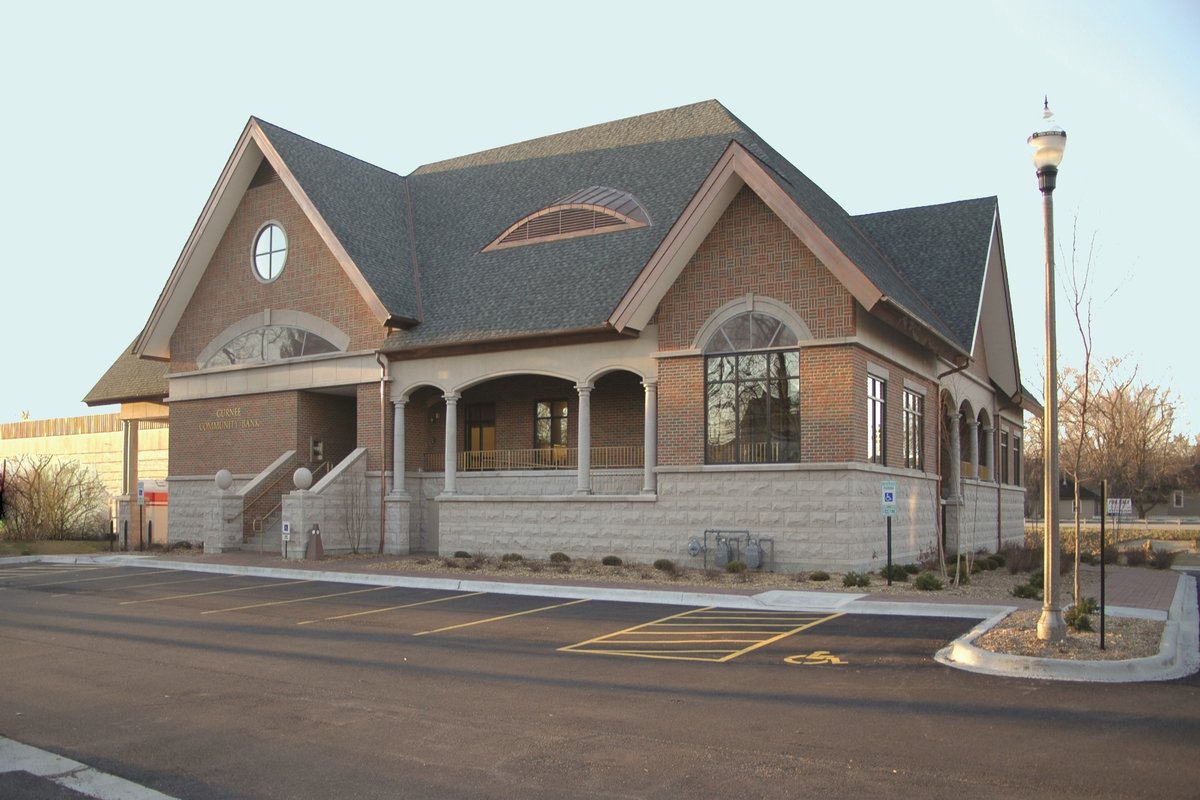
Gurnee Community Bank
Architectural,
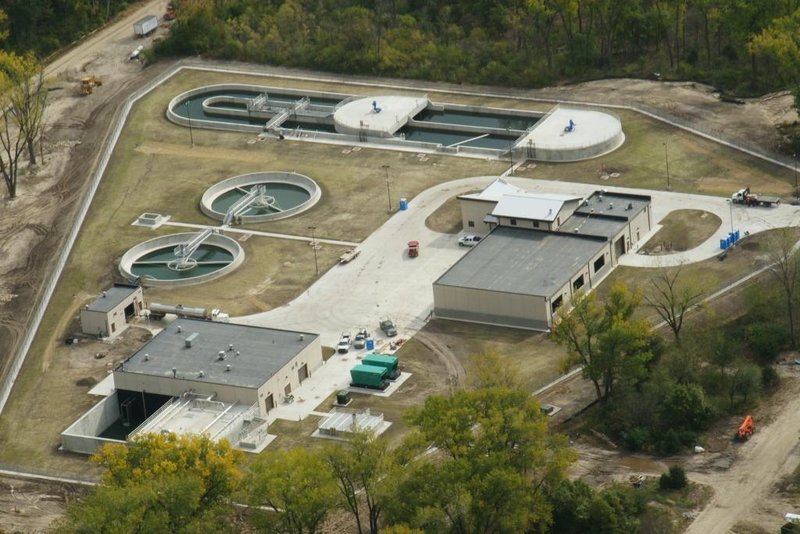
Fort Riley Advanced Wastewater Treatment Plant
Federal / Military, Water Treatment,
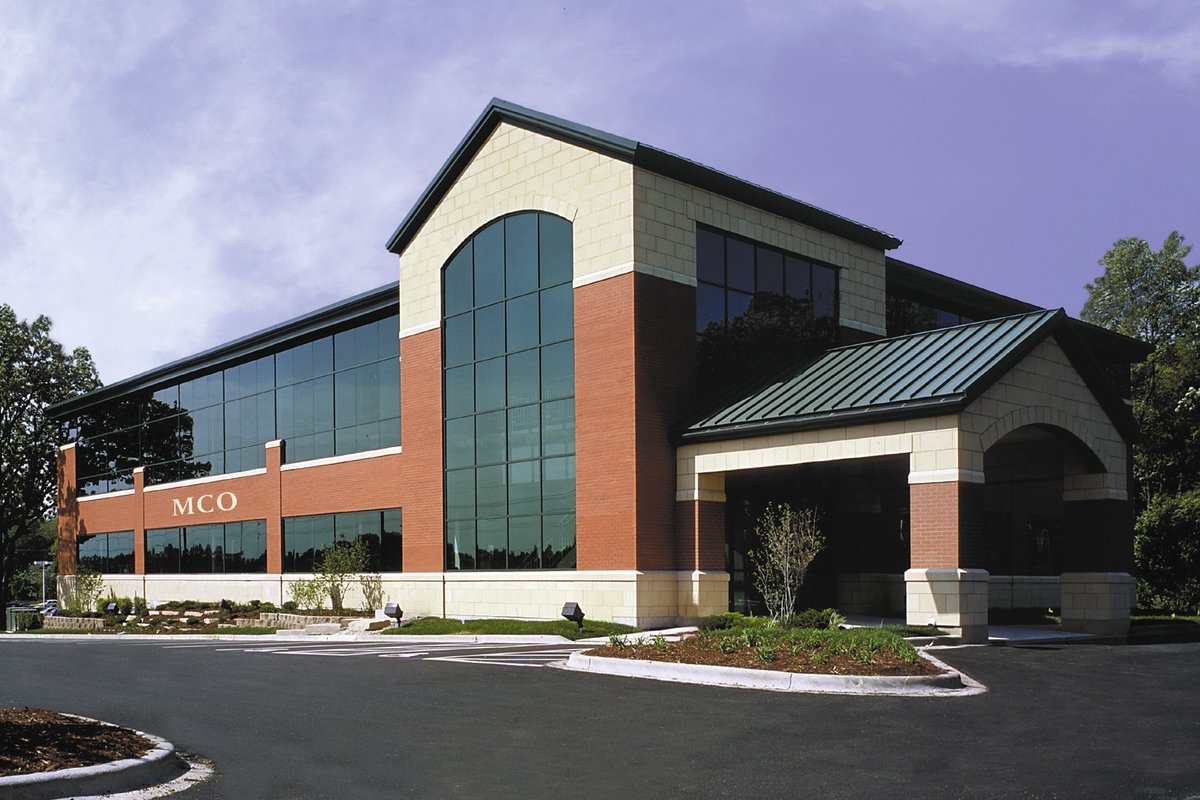
McHenry County Orthopaedics
Health Care,
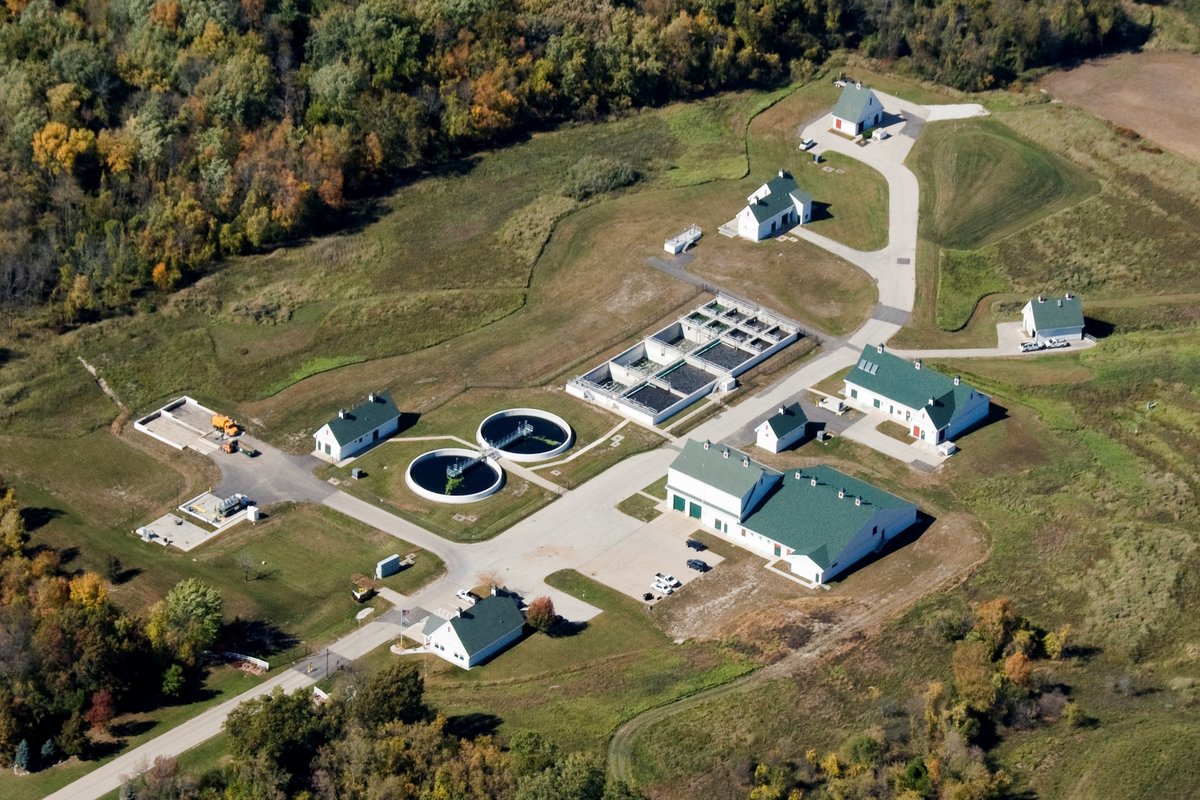
Mill Creek Water Reclamation Facility
Water Treatment,
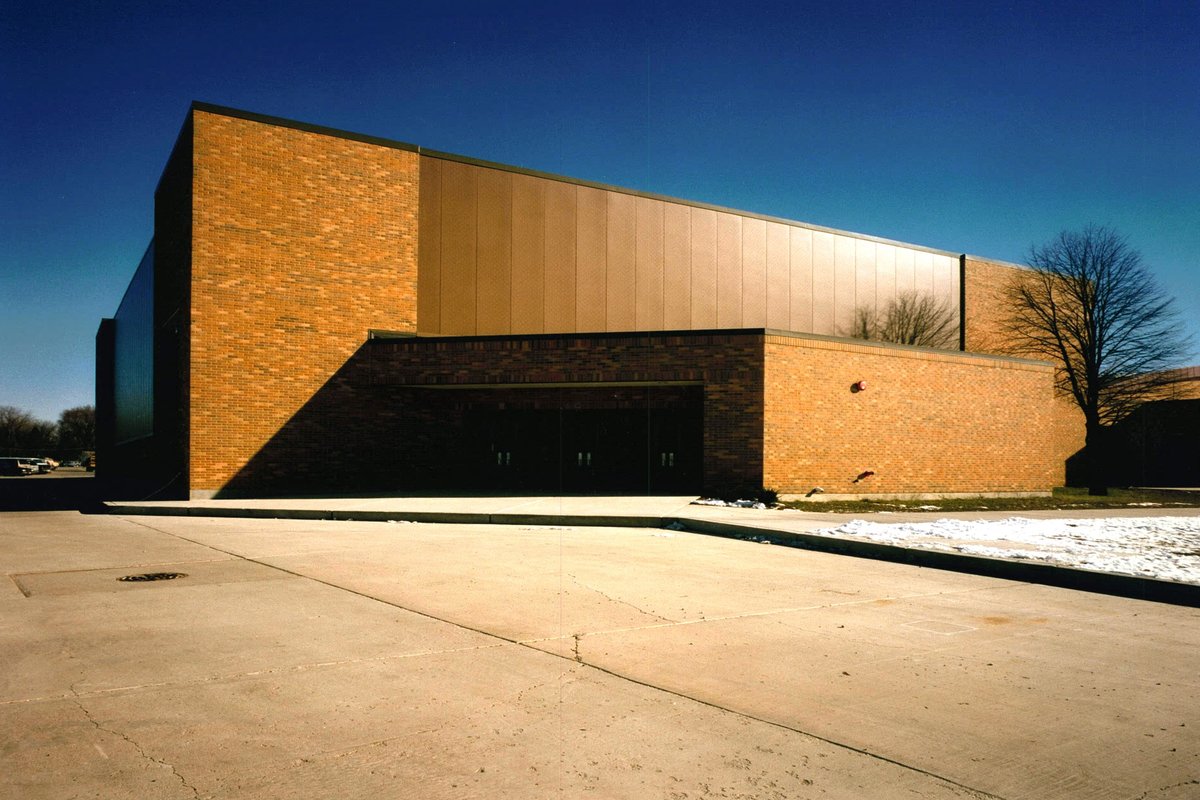
Marian Central Catholic High School
Educational,
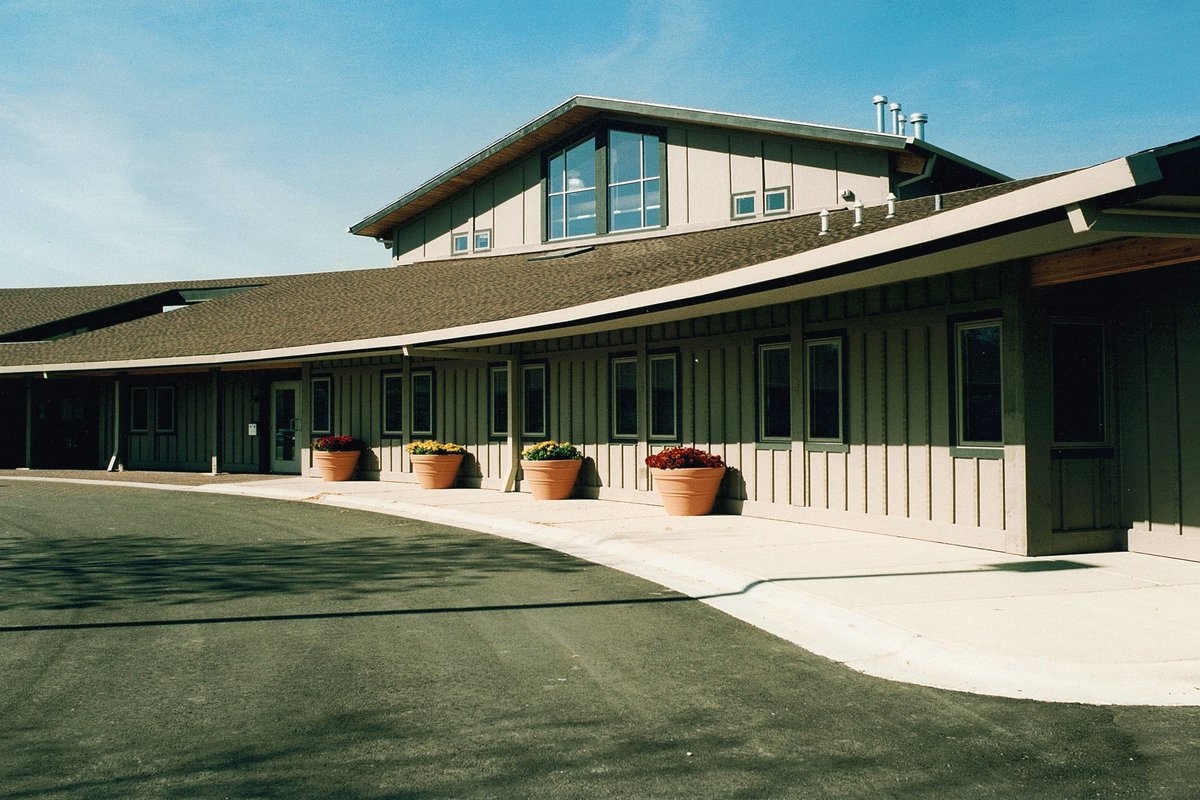
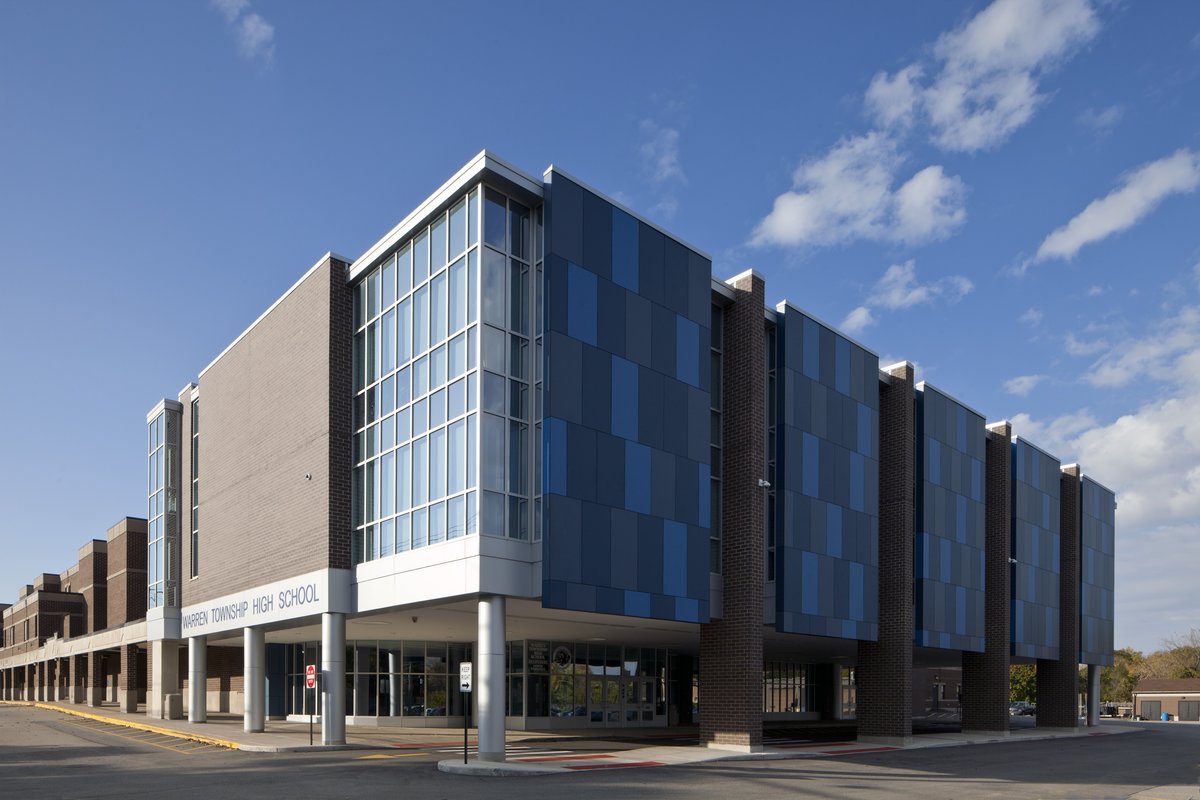
Warren Township Center & Senior Center
Architectural,
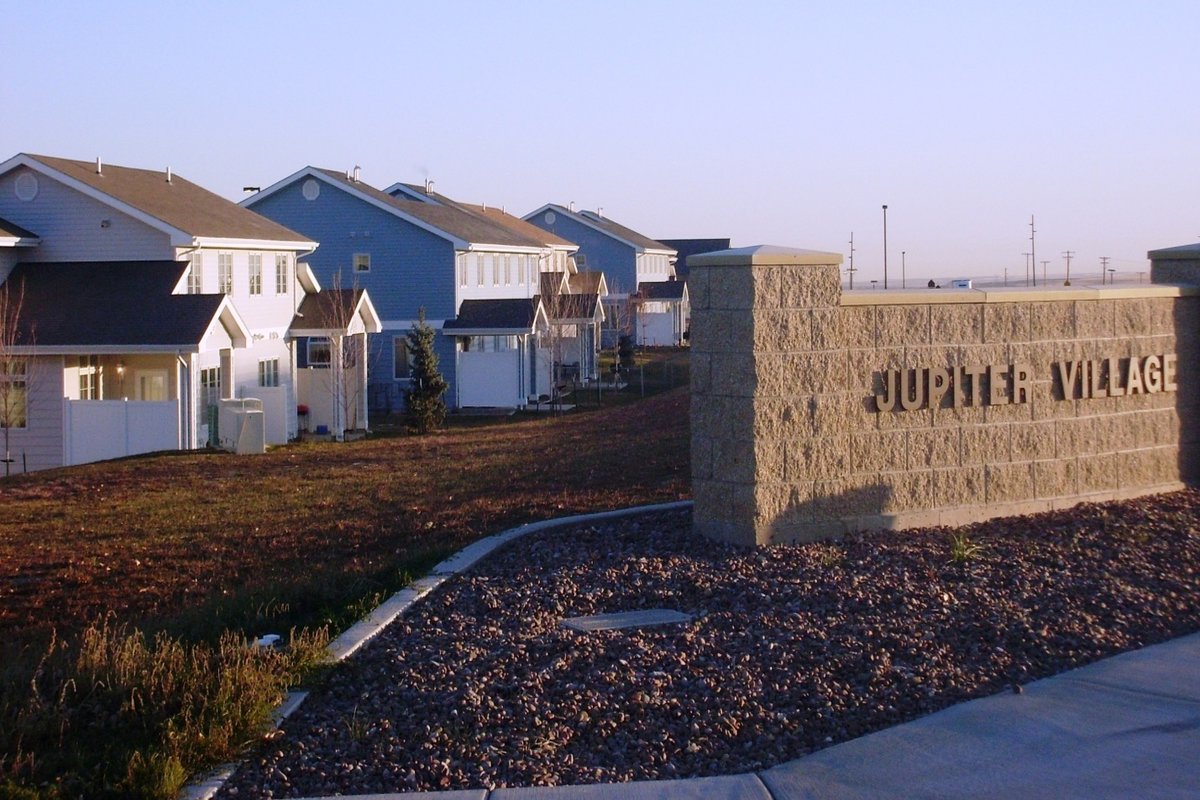
Replace Family Housing, Jupiter Village, Phase V
Federal / Military,
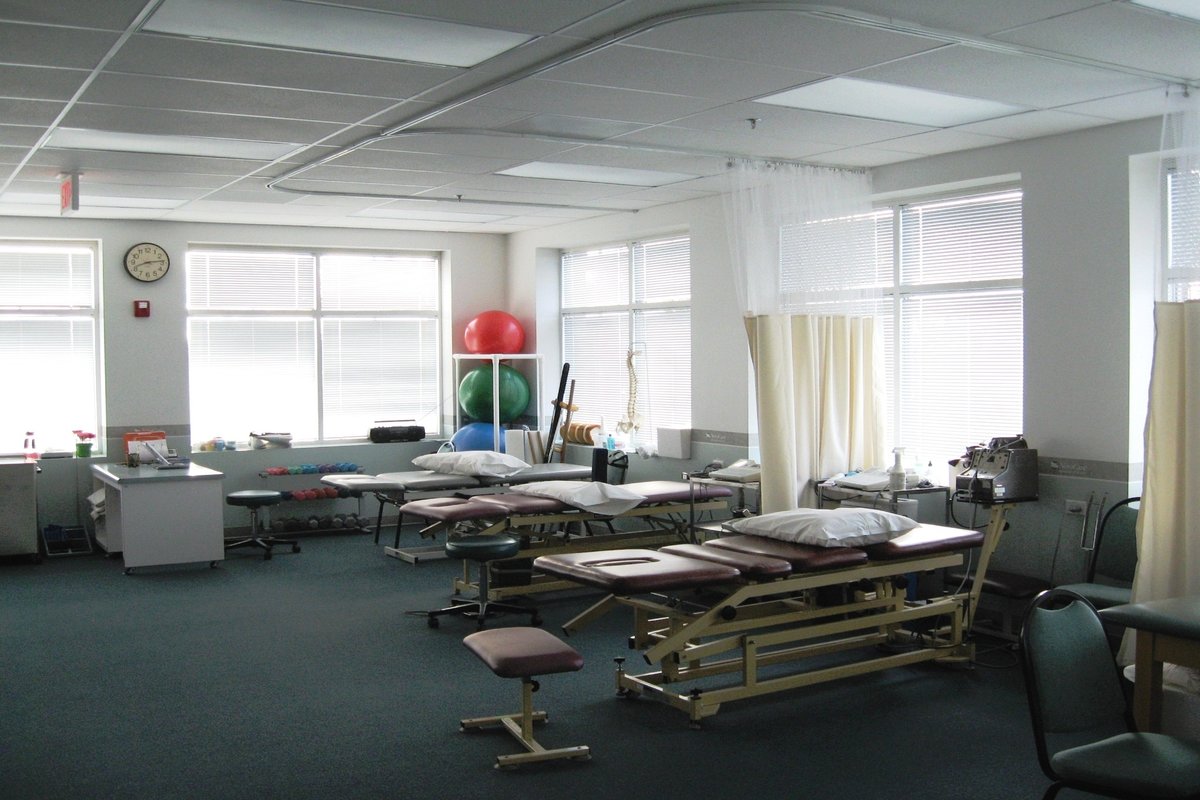
NovaCare Rehabilitation
Health Care,
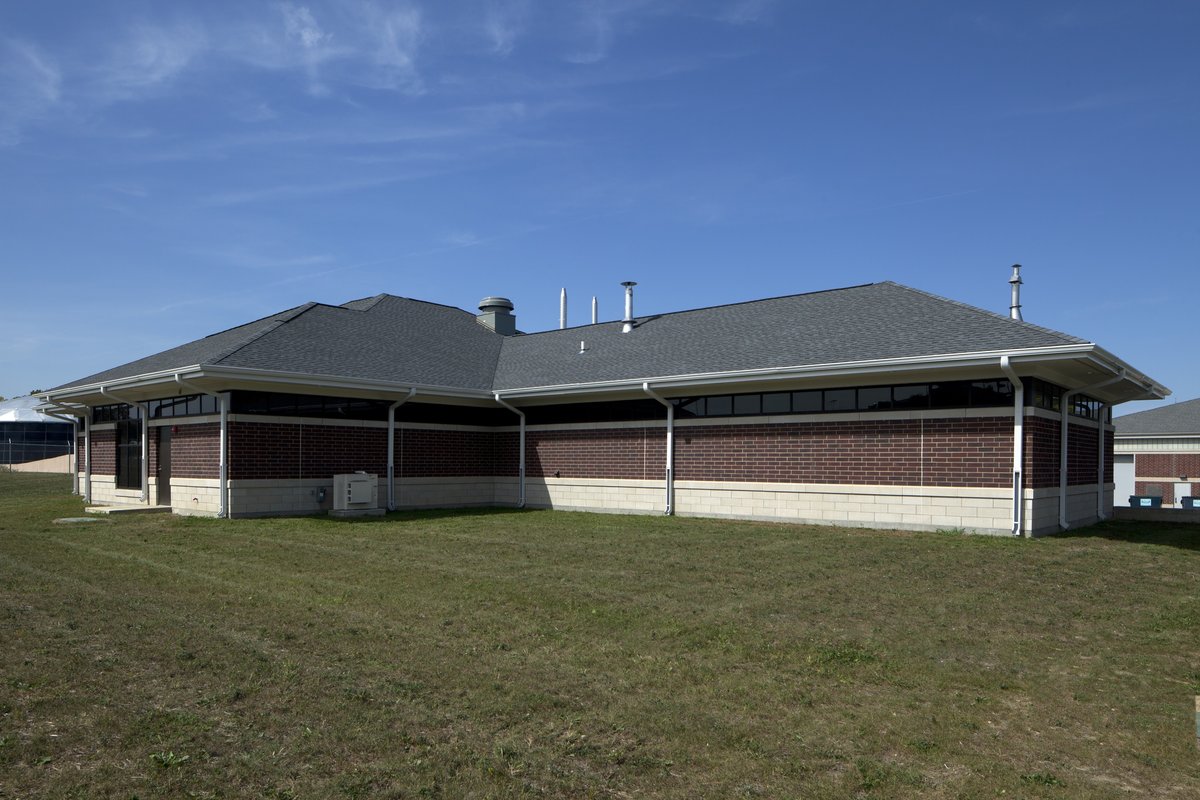
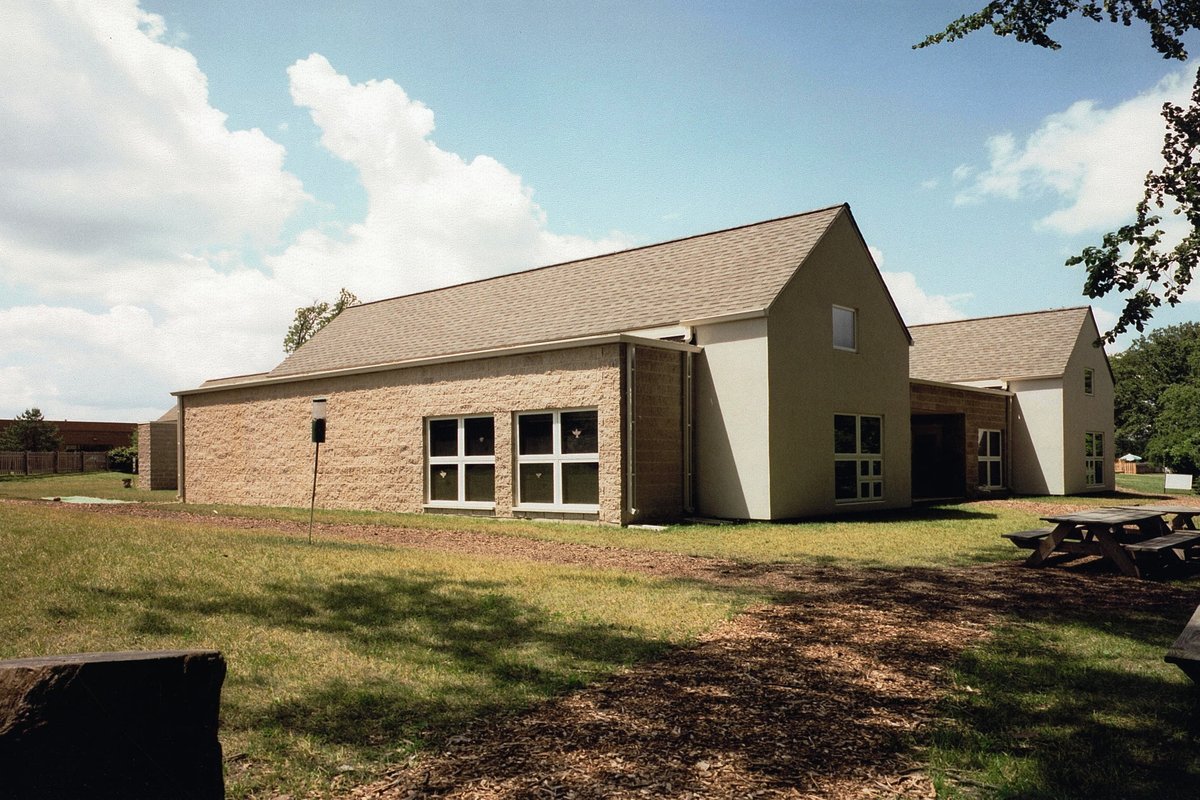
Montessori School of Lake Forest
Educational,
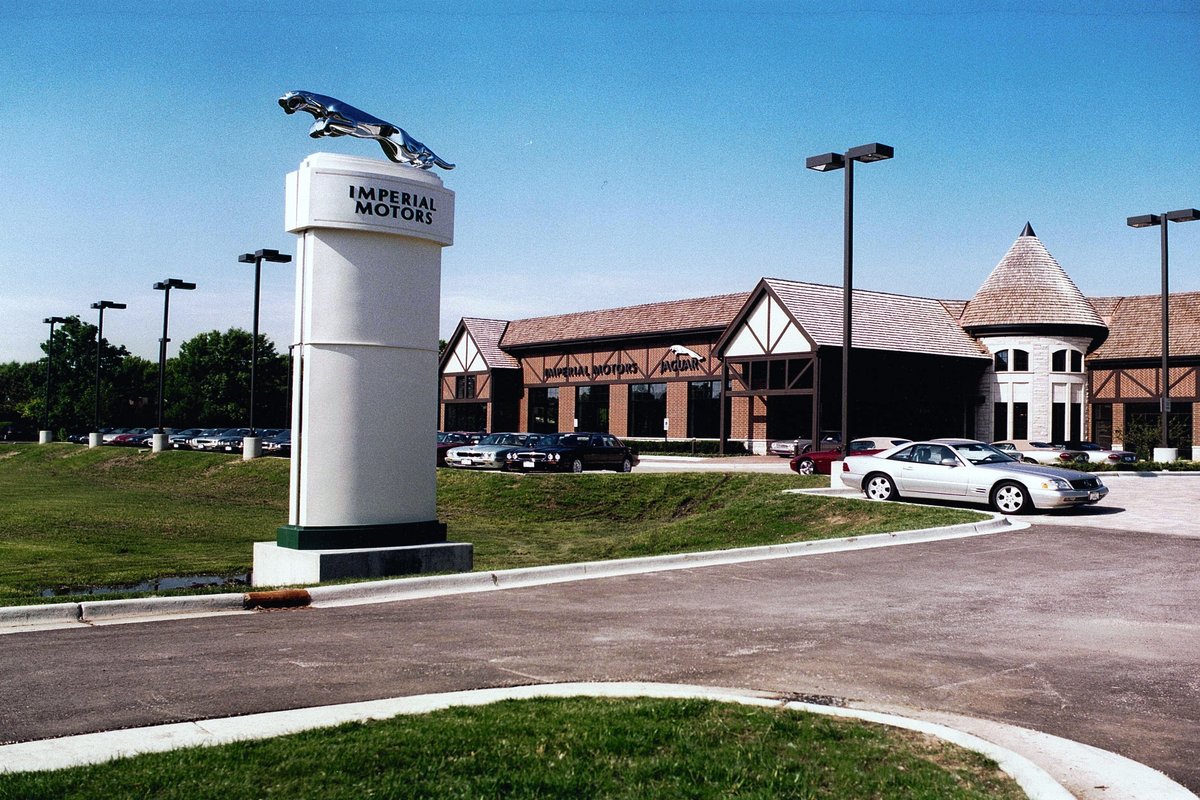
Imperial Motors
Architectural,
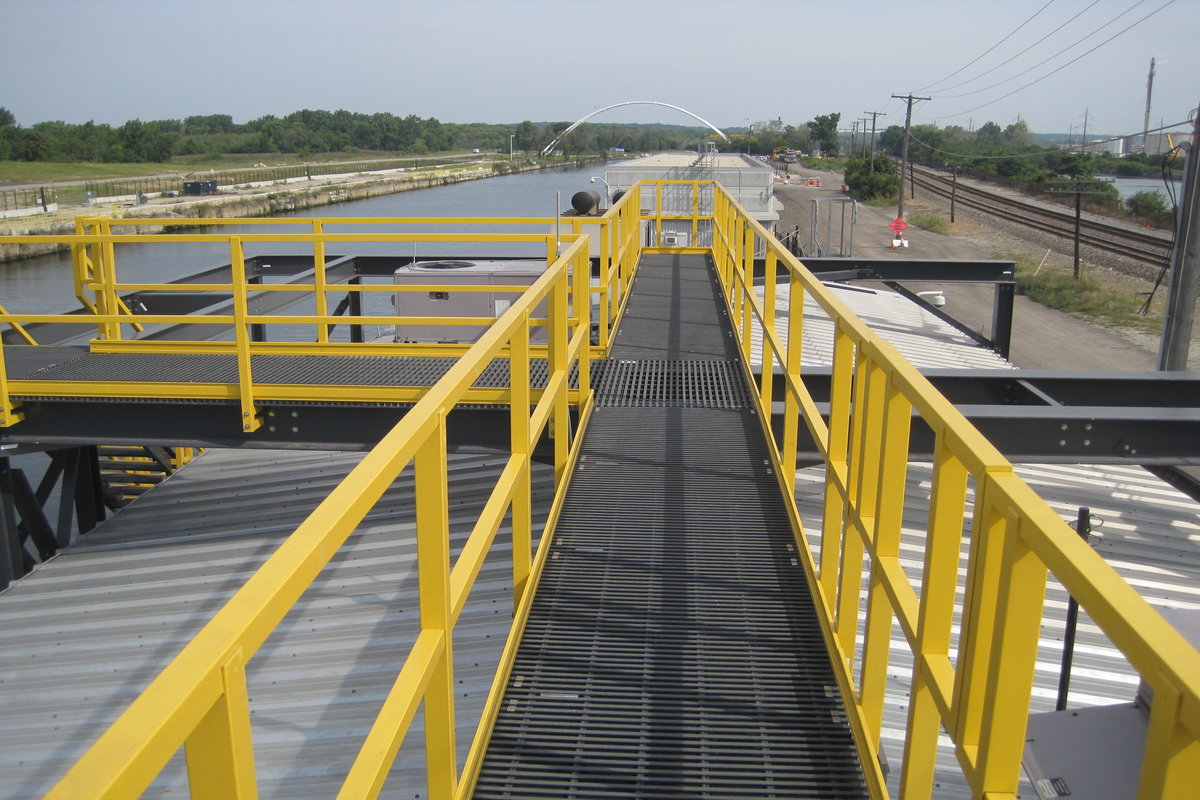
Dispersal Barrier IIA Upgrades
Federal / Military,
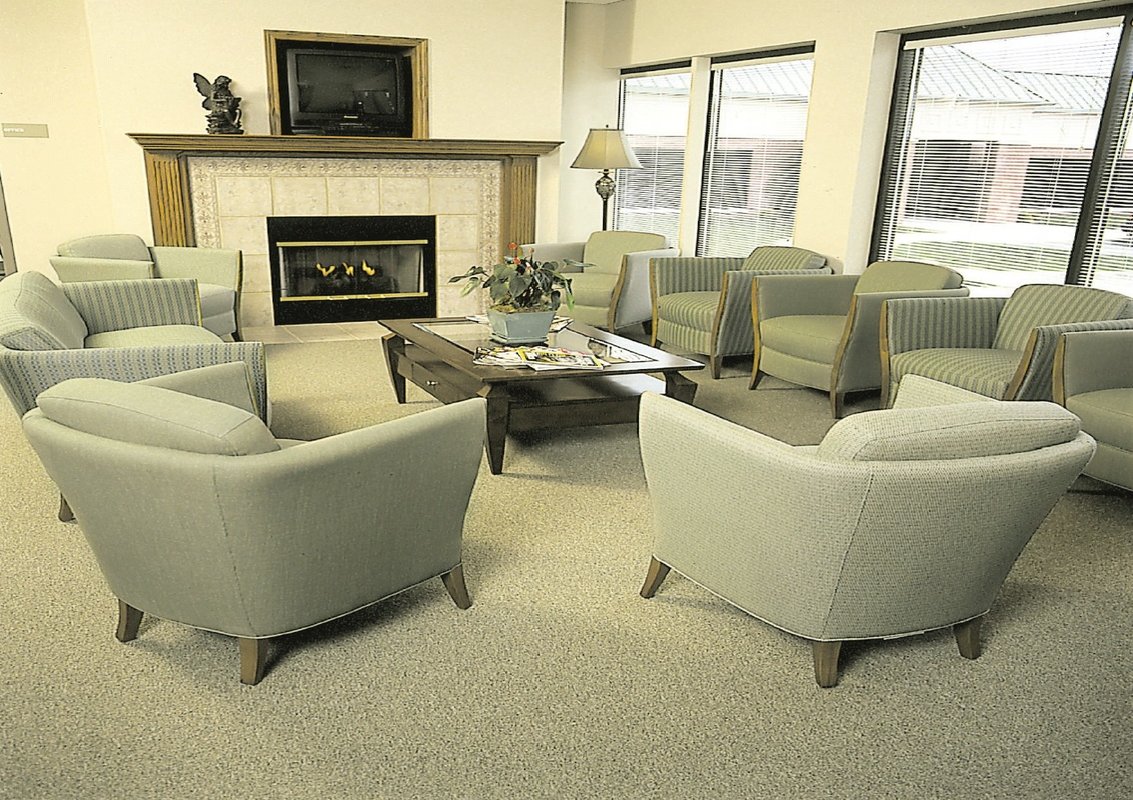
Medical Diagnostic Imaging
Health Care,
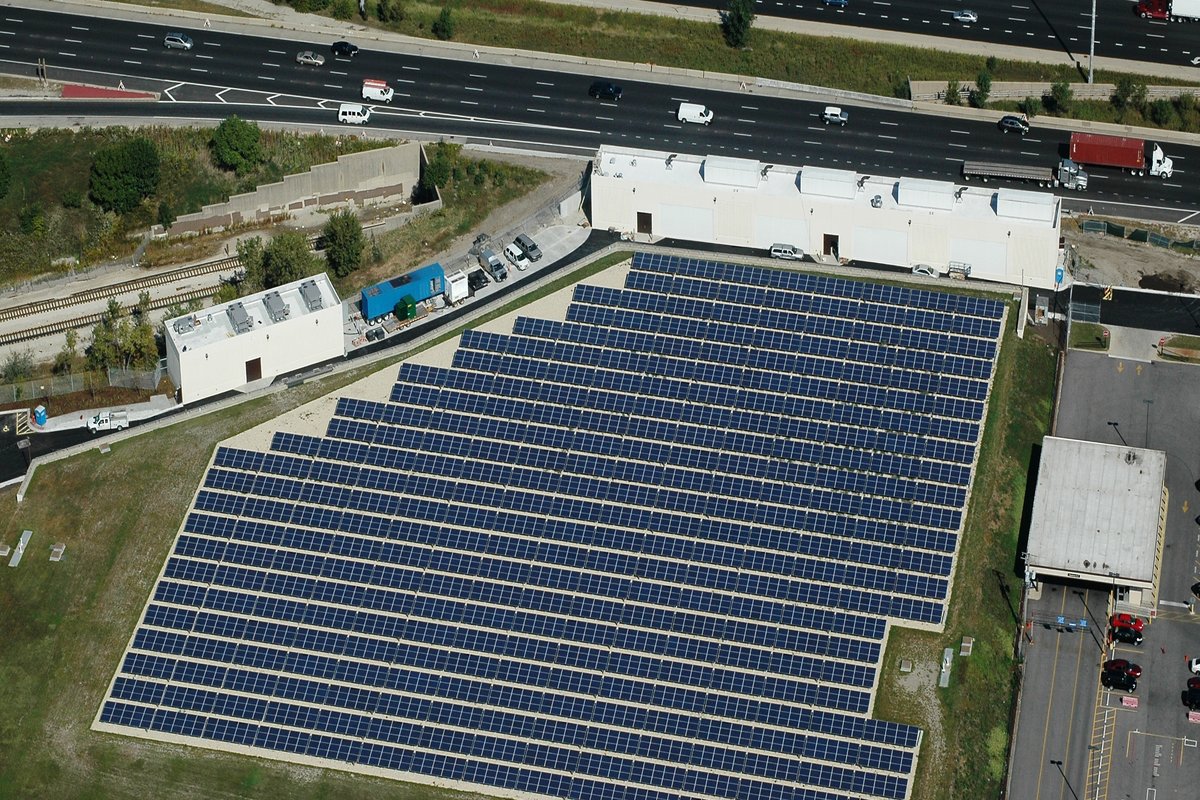
Lexington Pumping Station Improvements Contract PSC-4/08
Water Treatment,
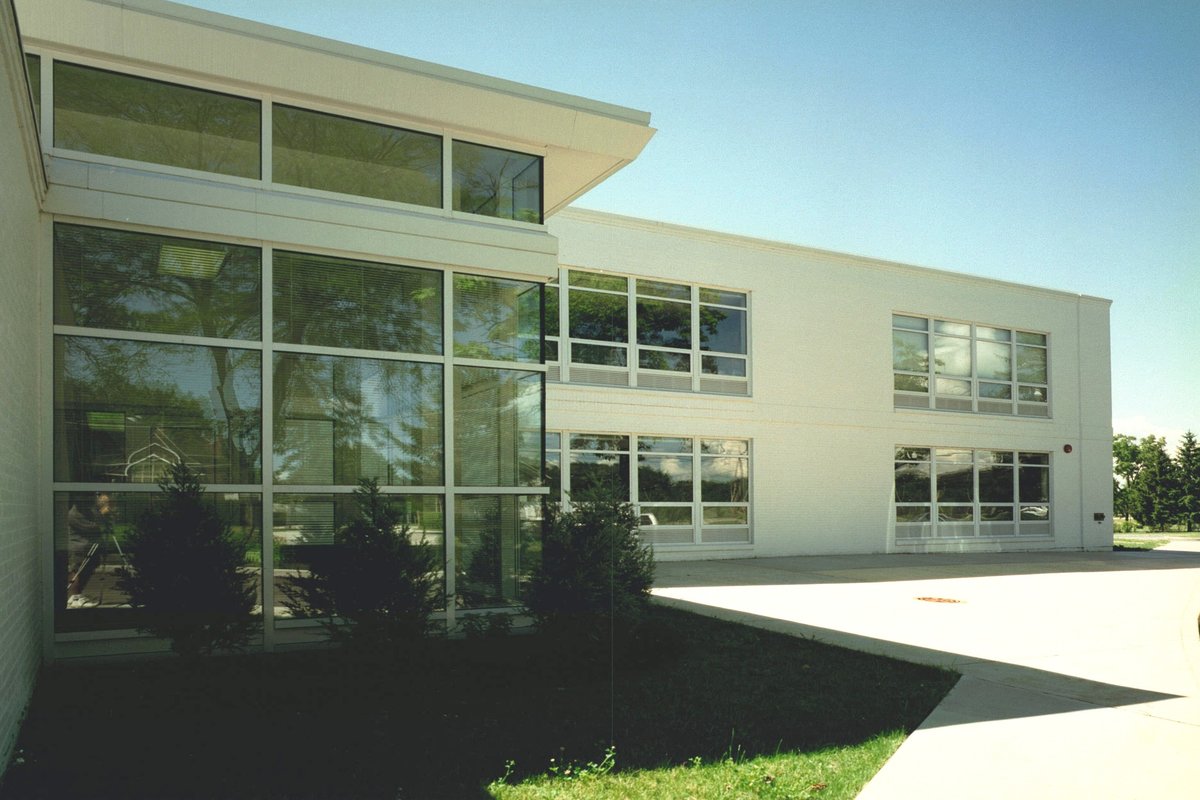
Half Day Intermediate School
Educational,
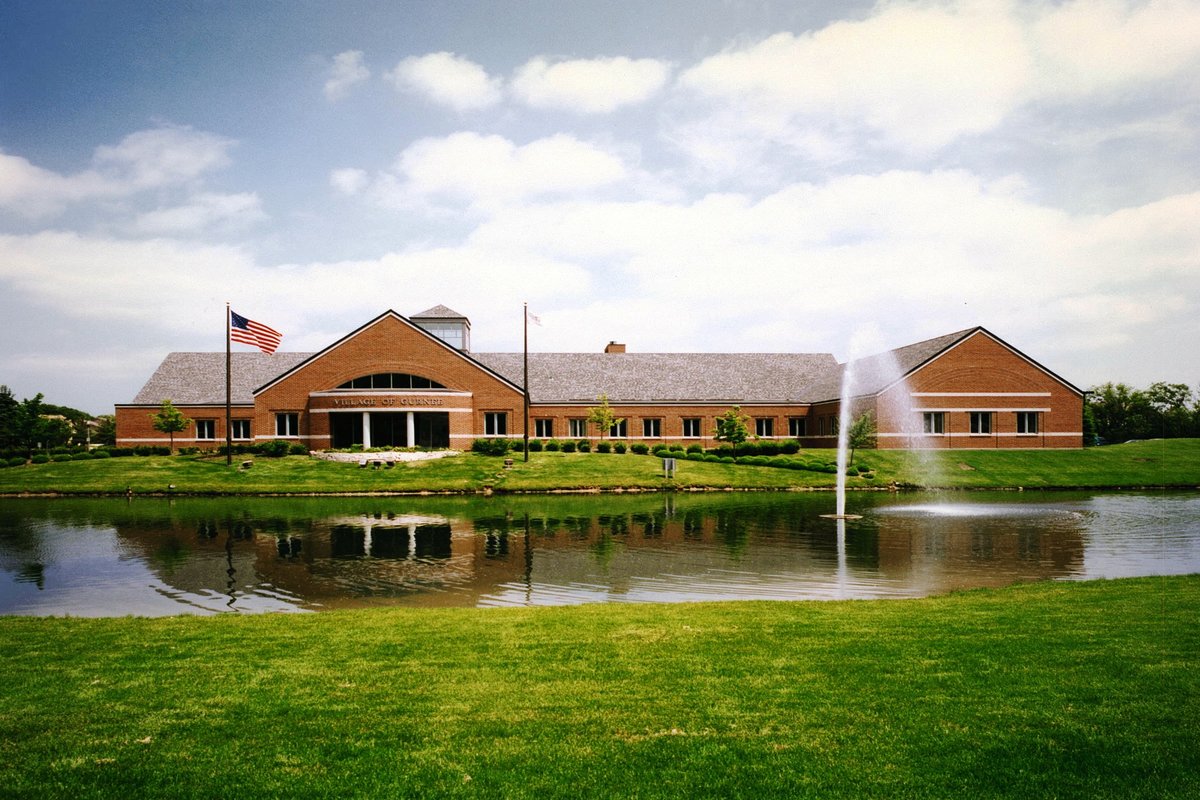
Gurnee Village Hall
Architectural,
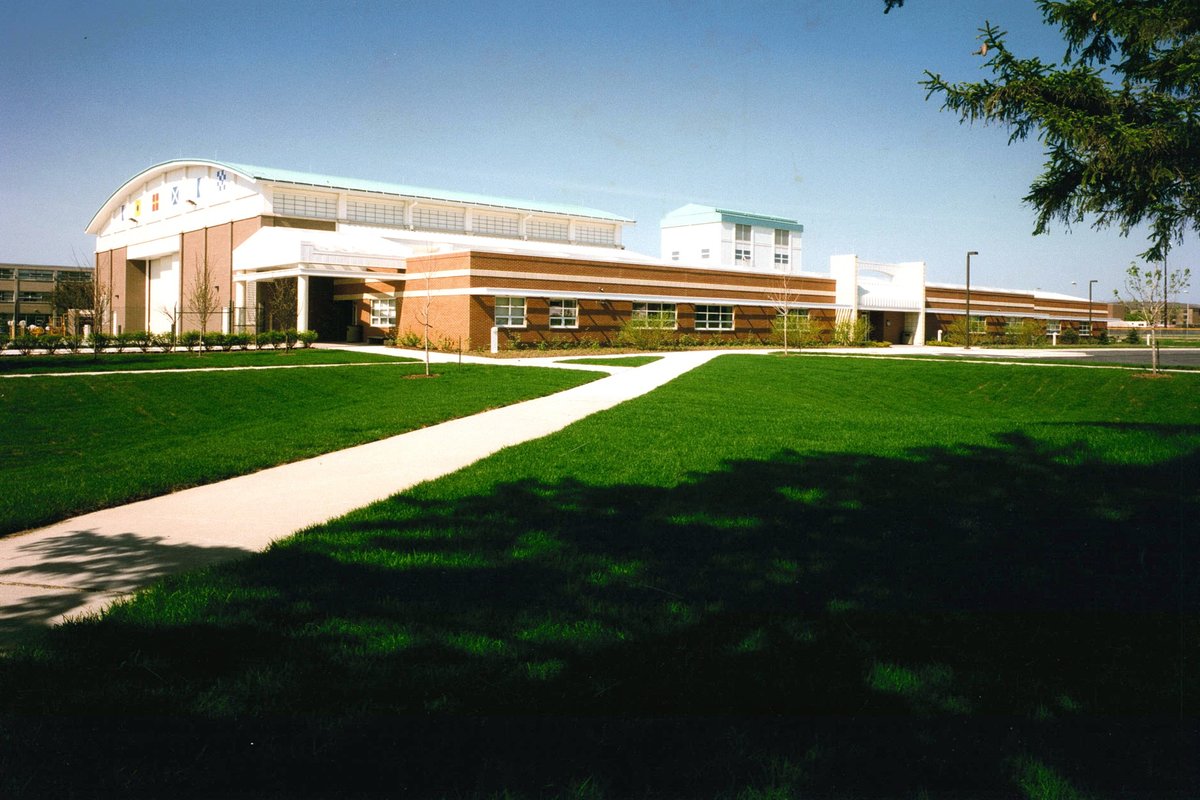
Elevator Training School and Airman A.T. School
Educational, Federal / Military,
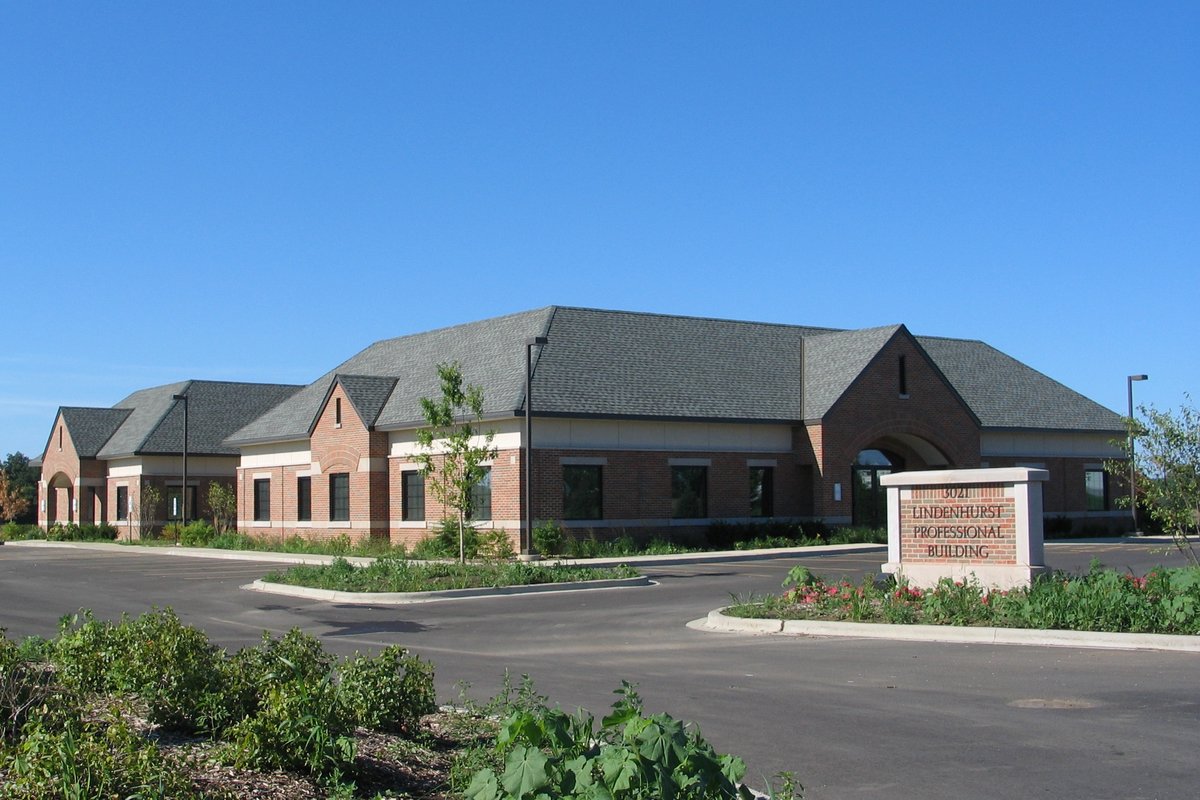
Lindenhurst Professional Building
Health Care,
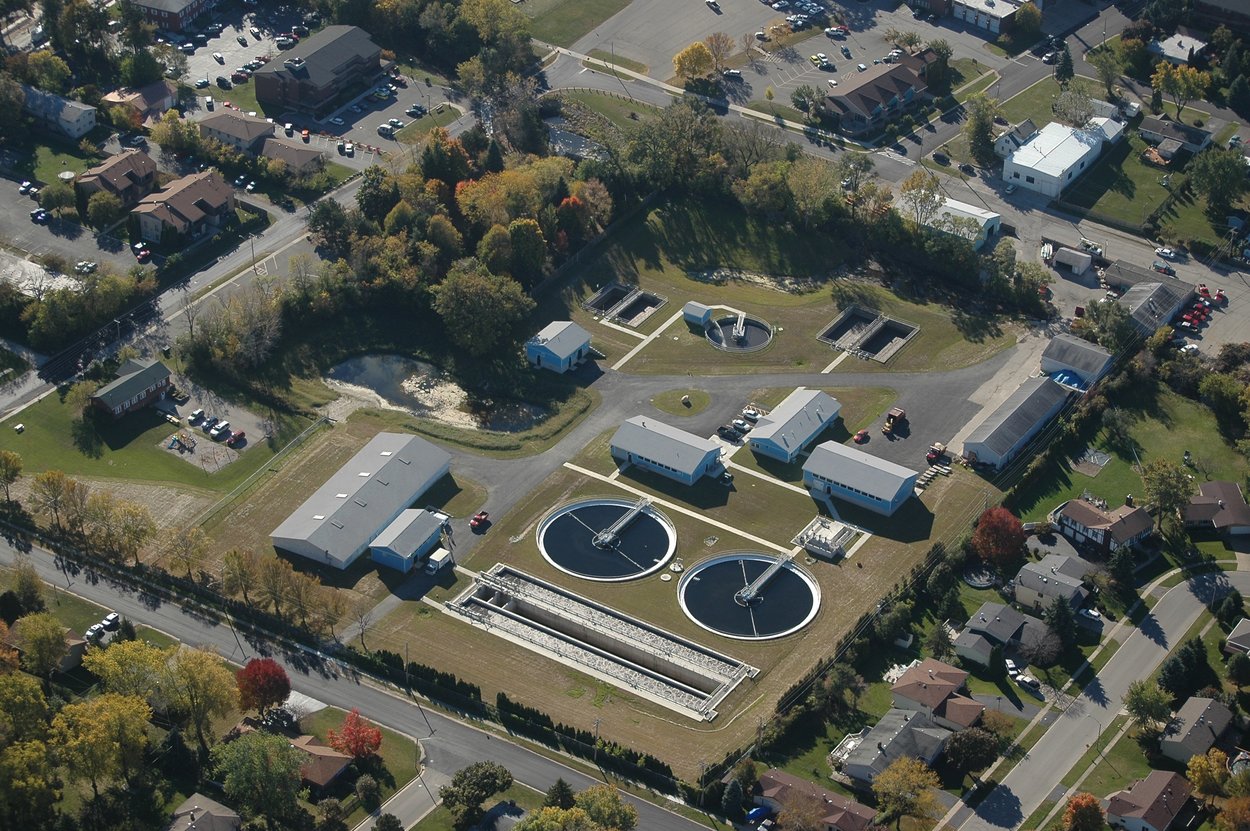
Antioch Wastewater Treatment Plant
Water Treatment,
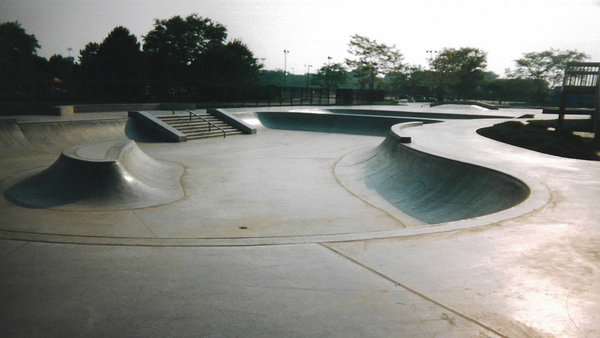
Warren Township Skate Plaza and Trail
Architectural,

Replace Family Housing, Peacekeeper Park, Phase 7A
Federal / Military,
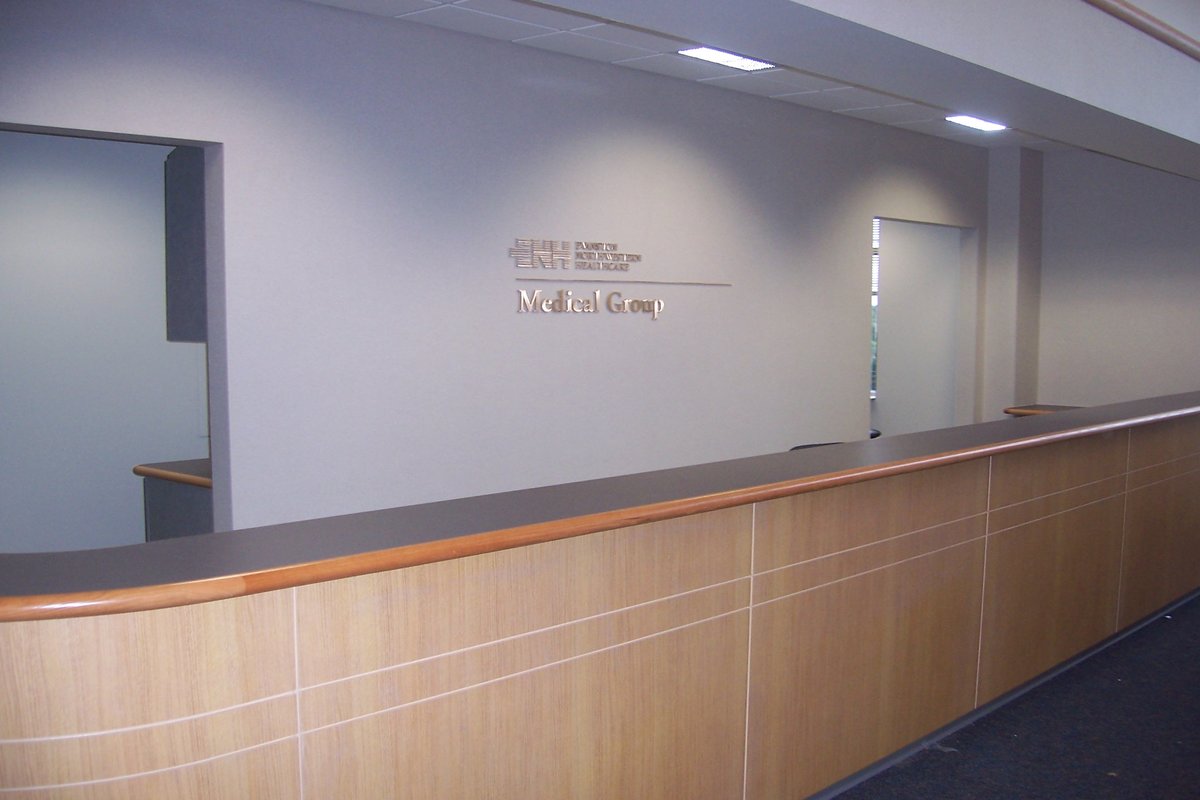
Evanston Northwestern Hospital Build-Out
Health Care,

Highland Park Water Treatment Plant Improvements
Water Treatment,
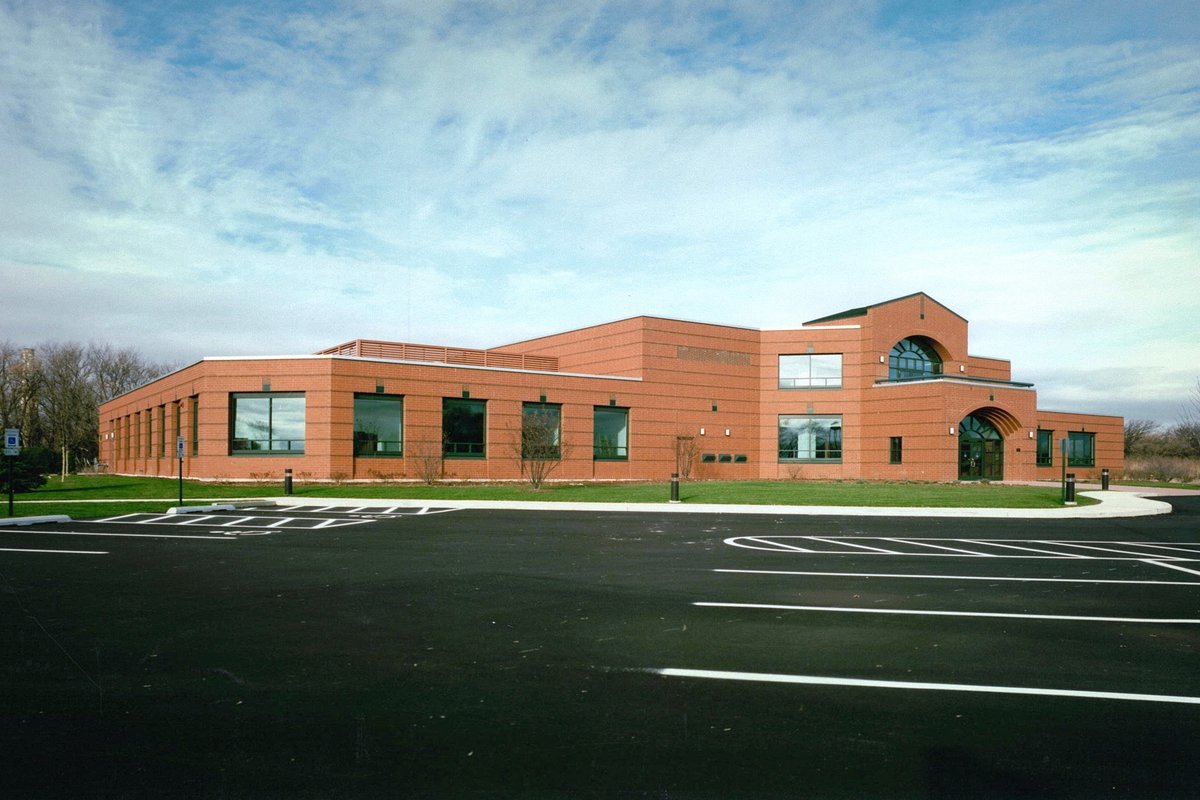
Grayslake Area Public Library
Architectural,
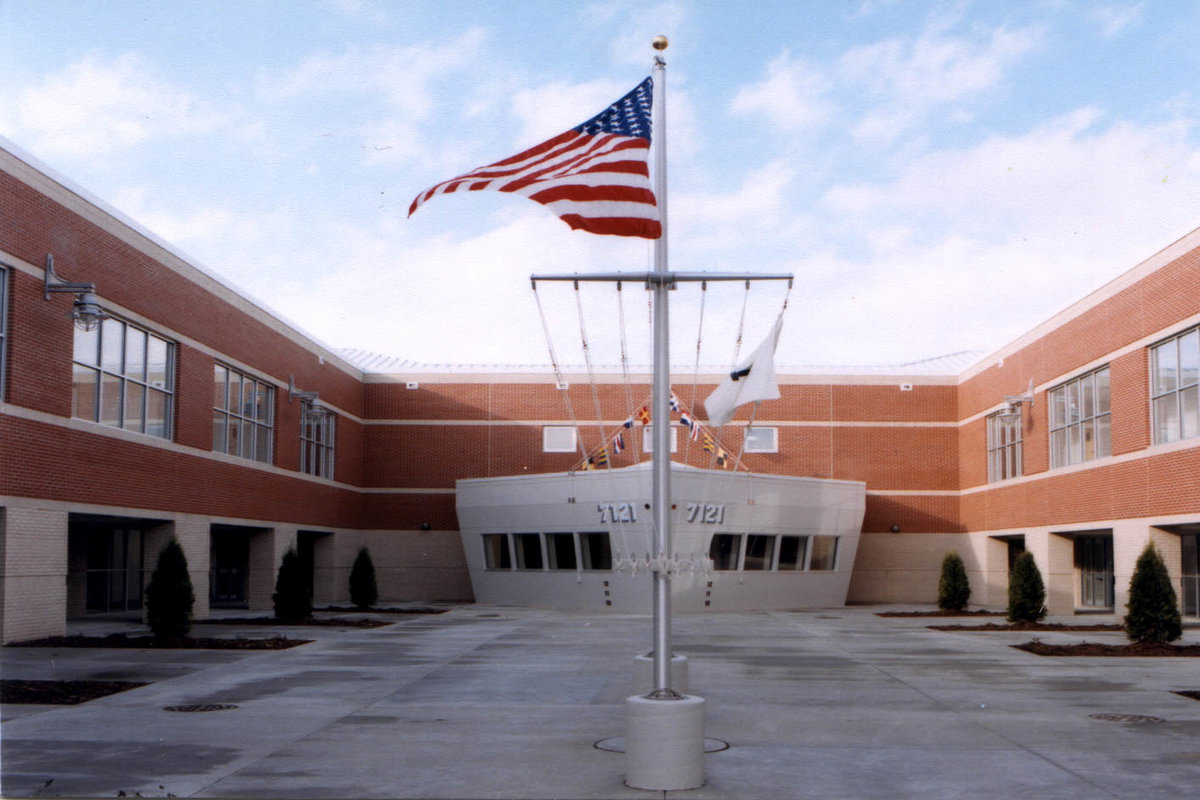
Recruit In-Processing Barracks, BEQ
Federal / Military,
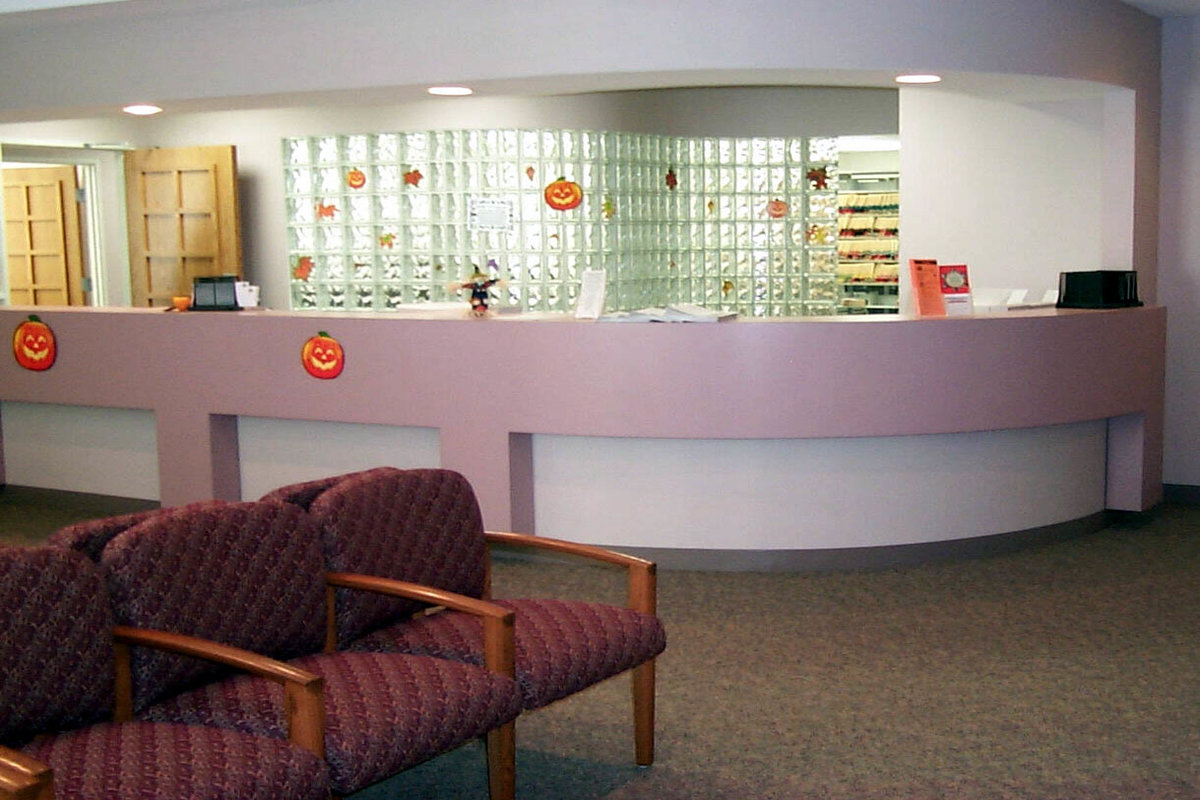
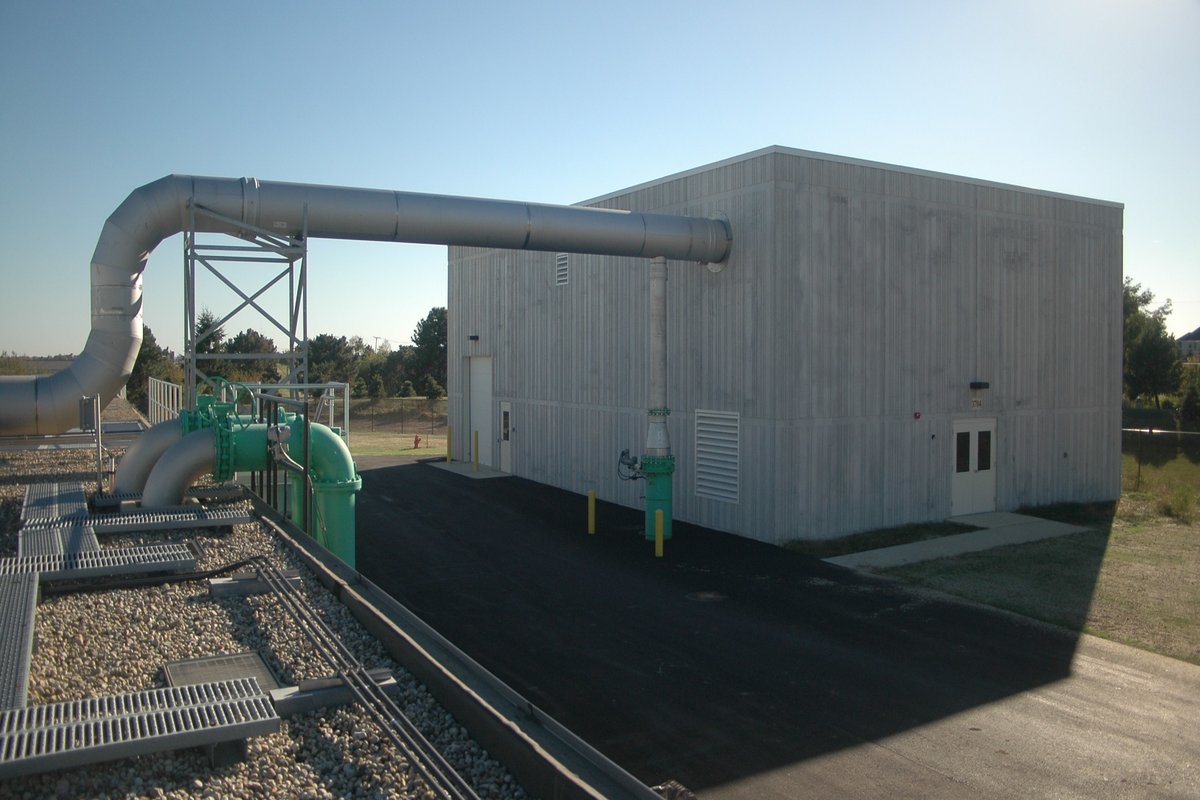
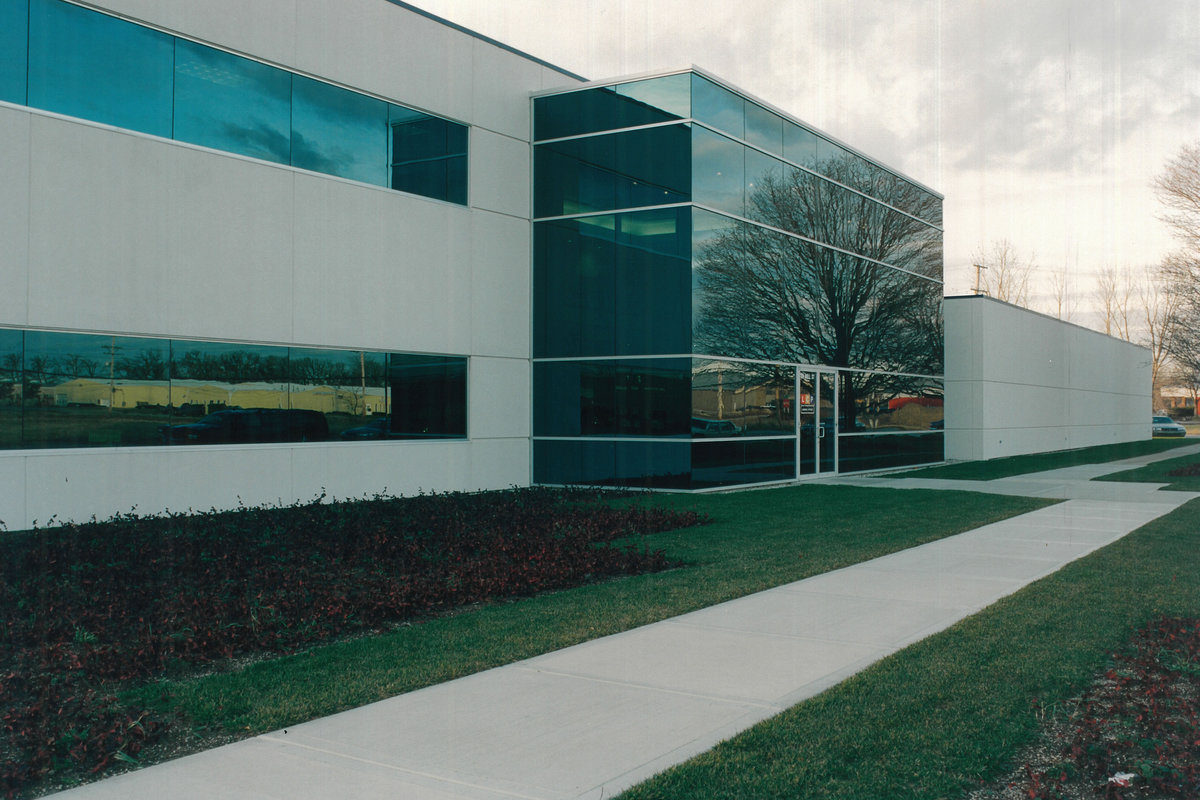
Lake County Press
Architectural,
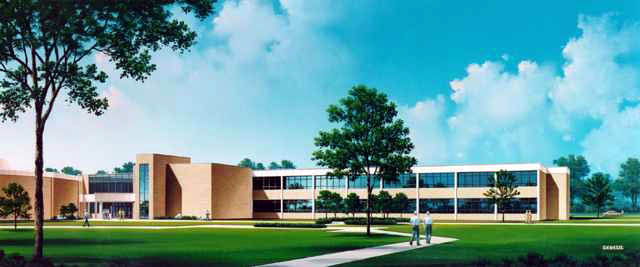
Hospitalman Corpsman ‘A’ School Addition
Educational, Federal / Military,
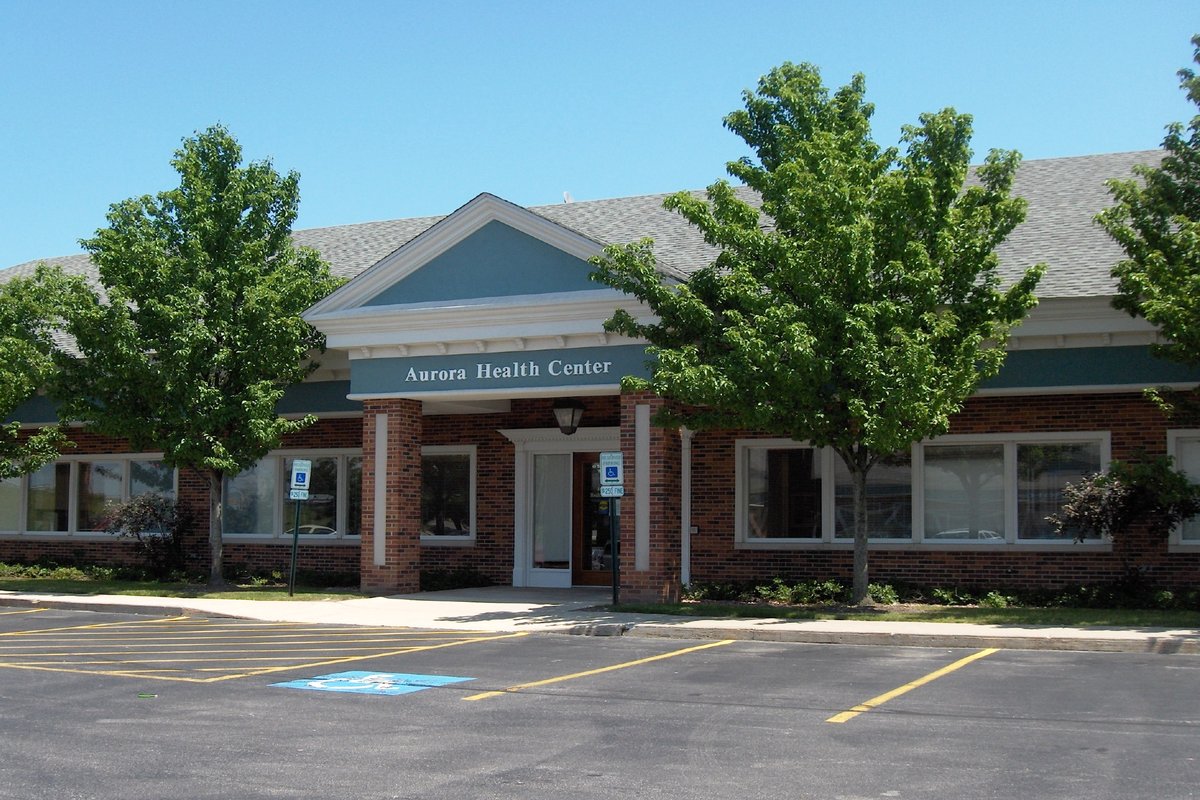
Aurora Health Care Clinic Expansion
Health Care,
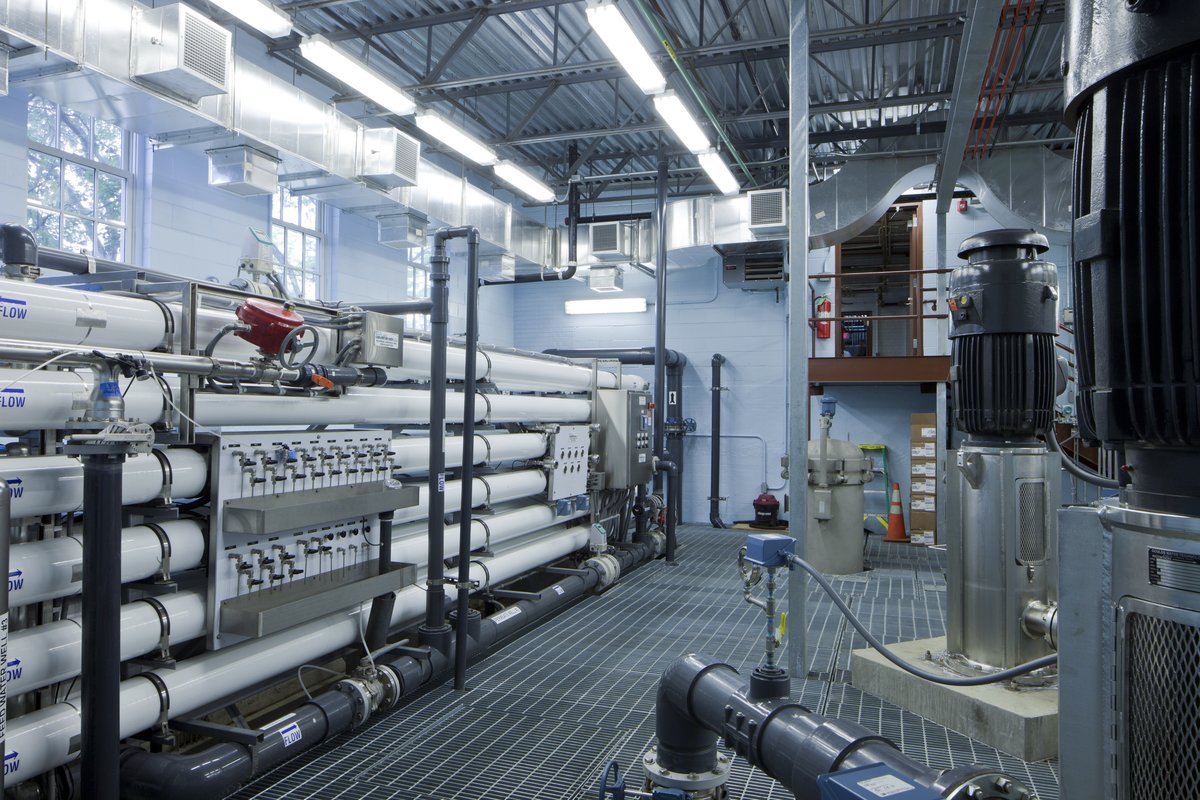
Western Springs Low Pressure Reverse Osmosis Water Treatment Plant
Water Treatment,
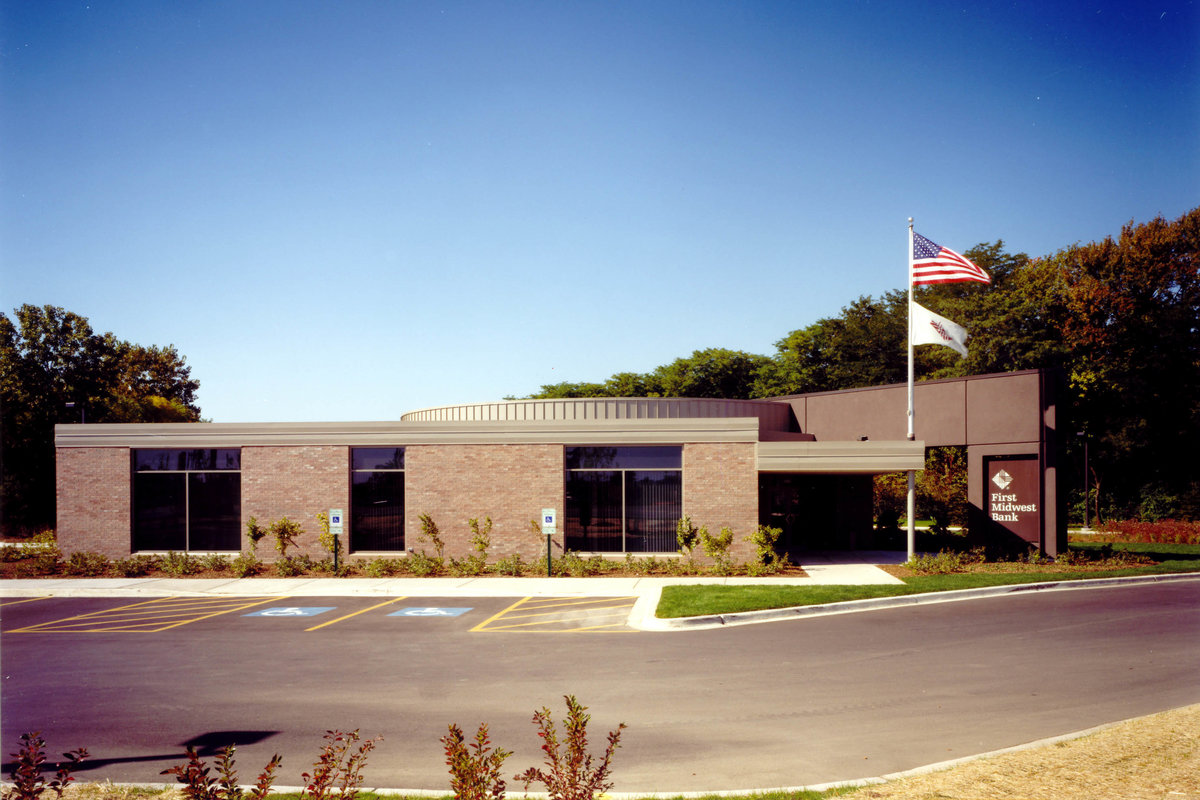
First Midwest Bank
Architectural,
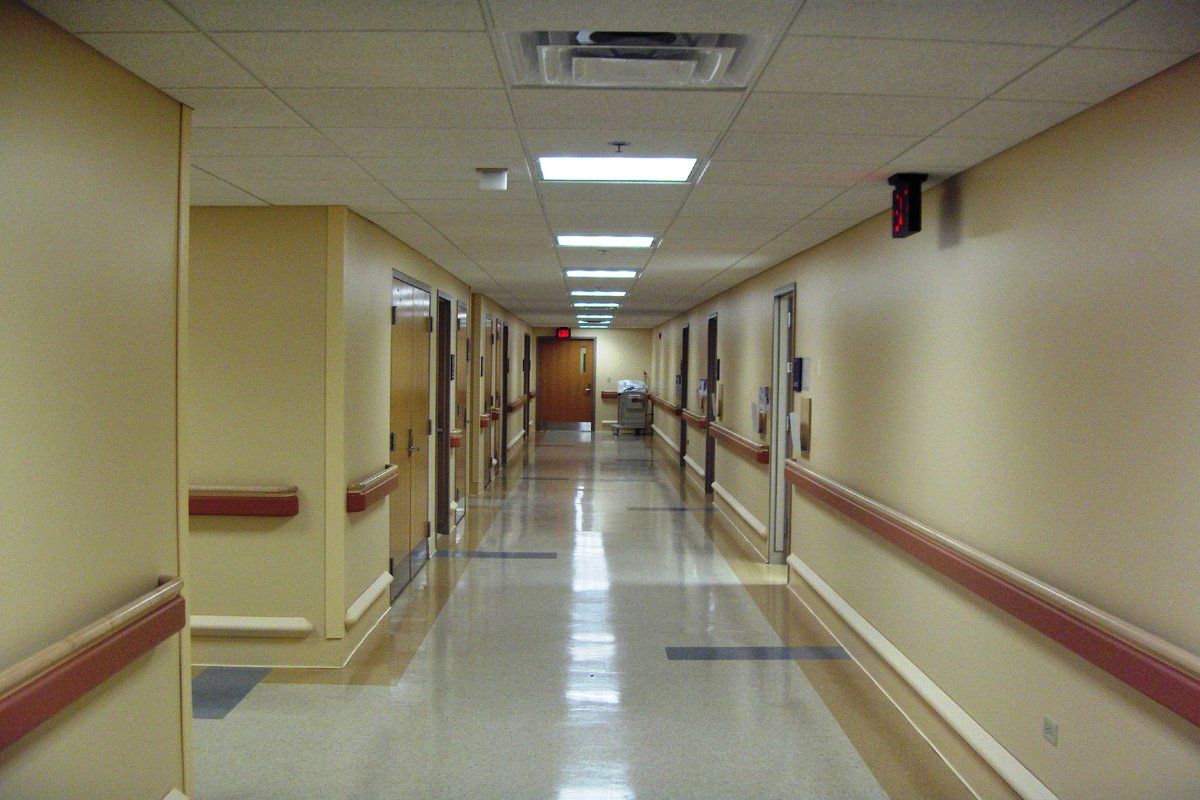
Capt. James A. Lovell Federal Health Care Center Renovation
Federal / Military, Health Care,
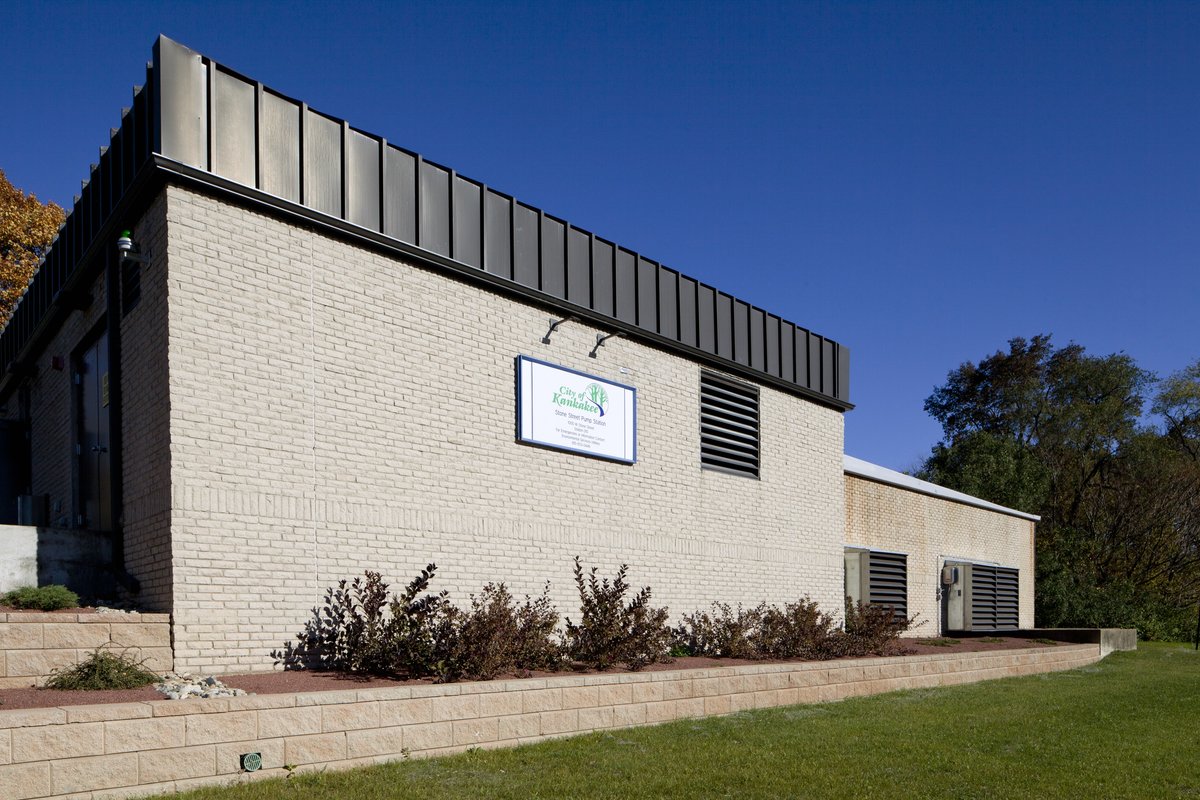
Stone Street Lift Station Improvements
Water Treatment,
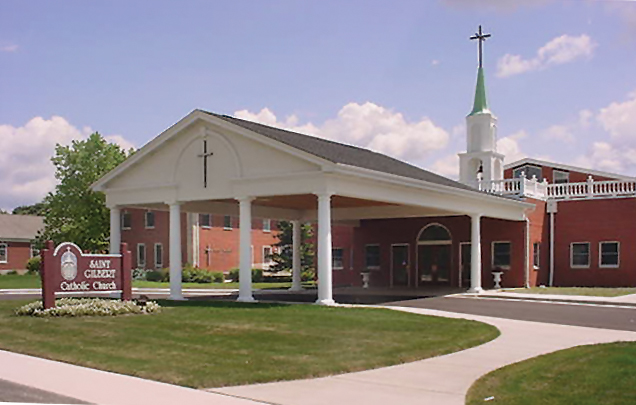
St. Gilbert Catholic Church
Architectural,
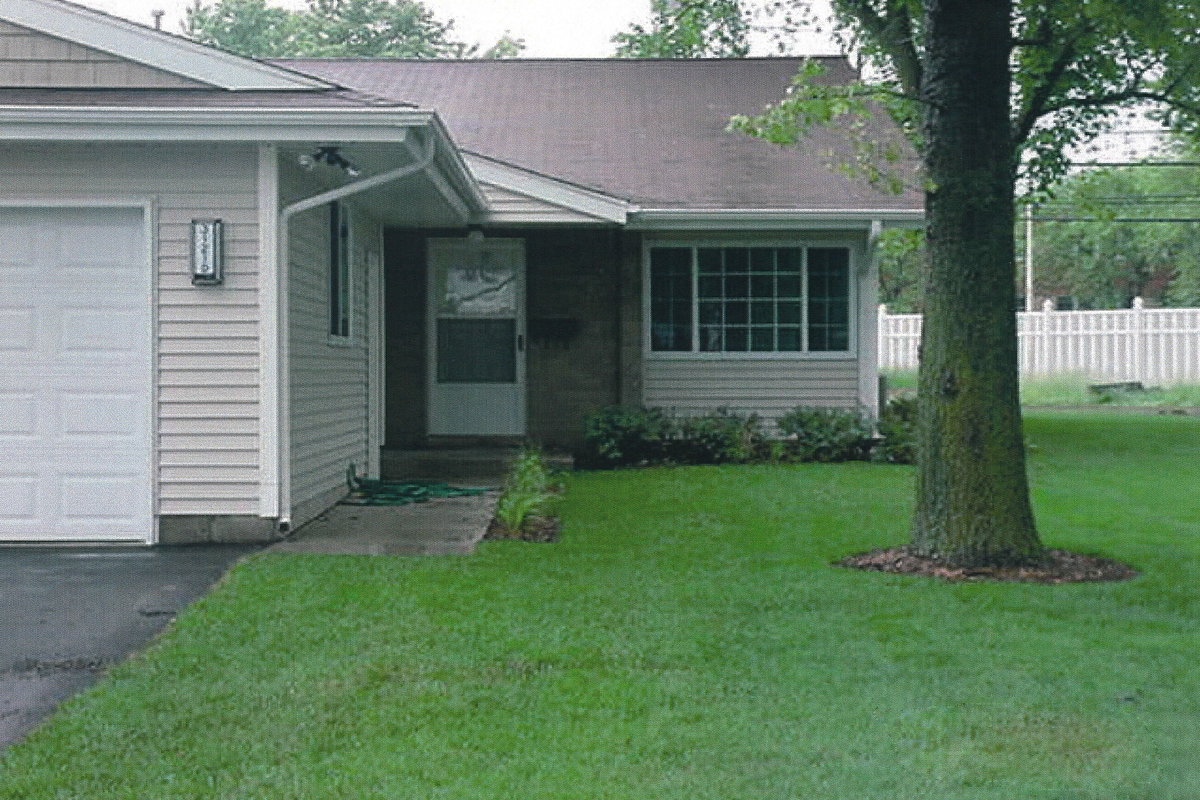
Forrestal Village Phase 10 and Halsey Village Phase 3 Wholehouse Revitalization
Federal / Military,
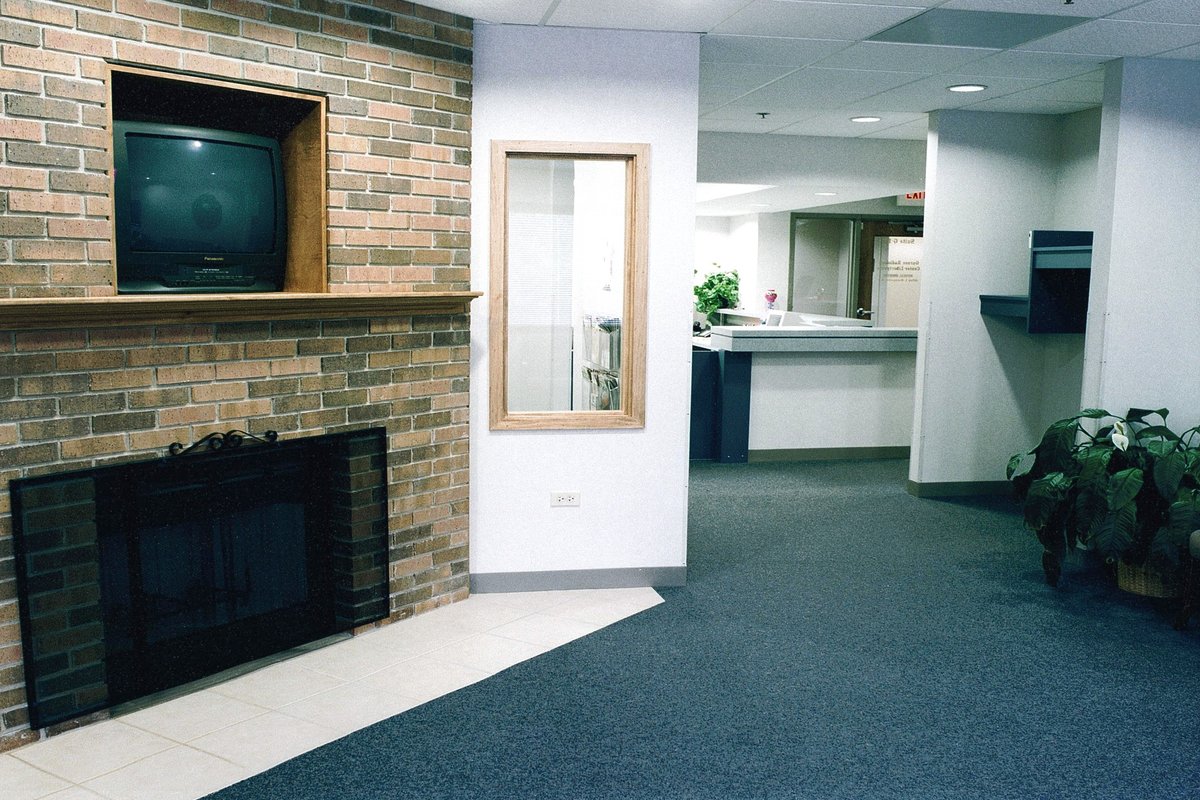
Gurnee Radiology Center (Libertyville, IL)
Health Care,
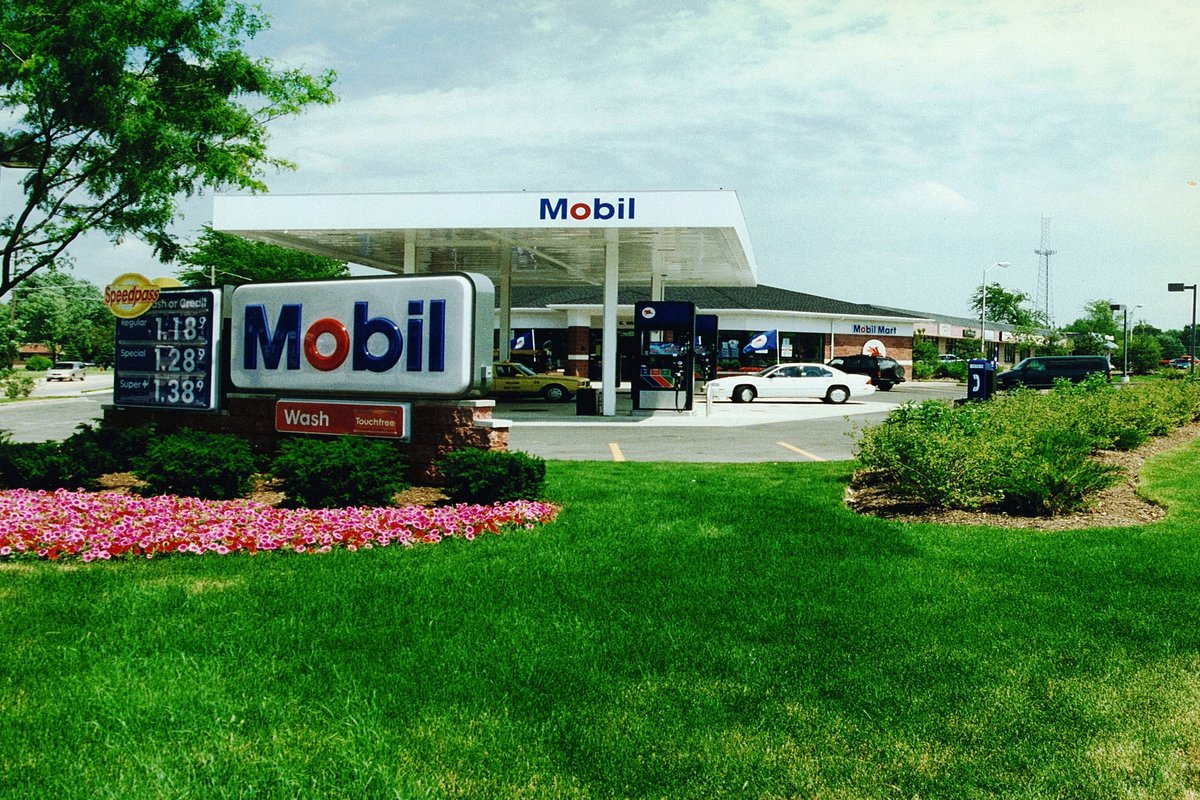
Mobil Mini-Mart
Architectural,
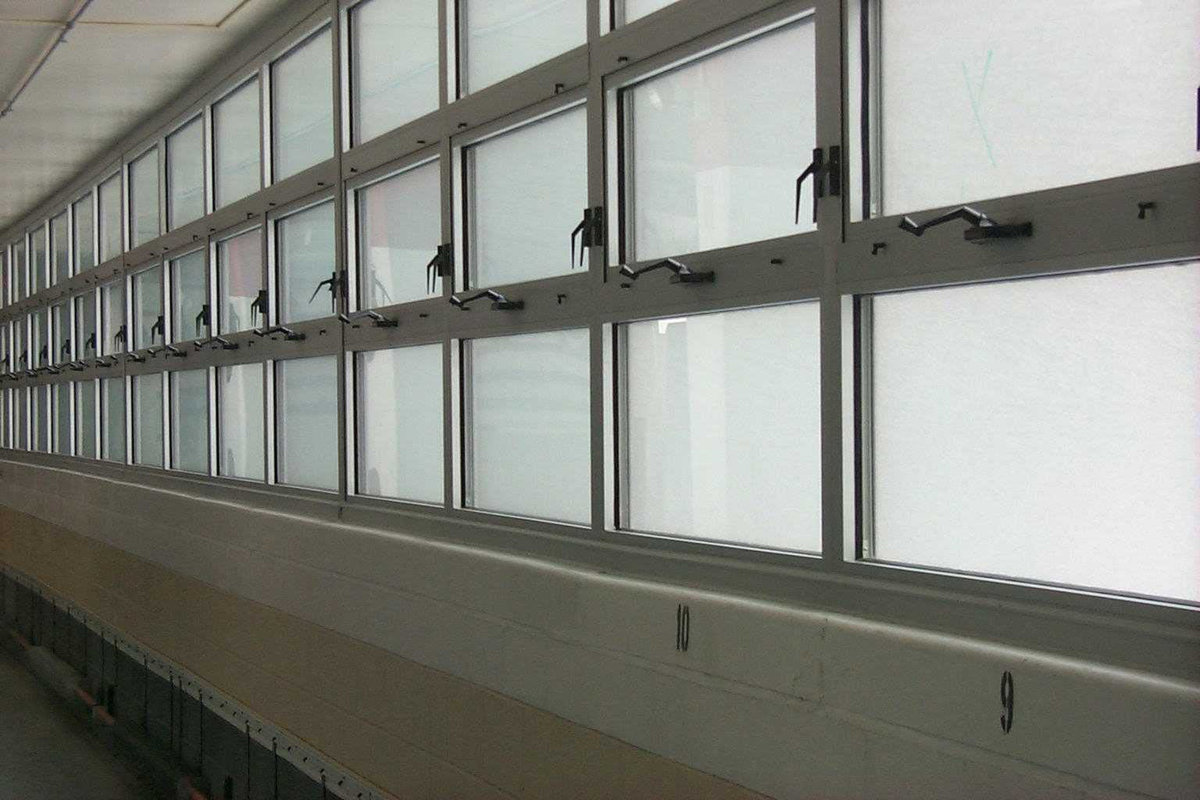
Repair Windows and Heating System, BEQ Buildings 1120-1126
Federal / Military,